
Category
Educational toys
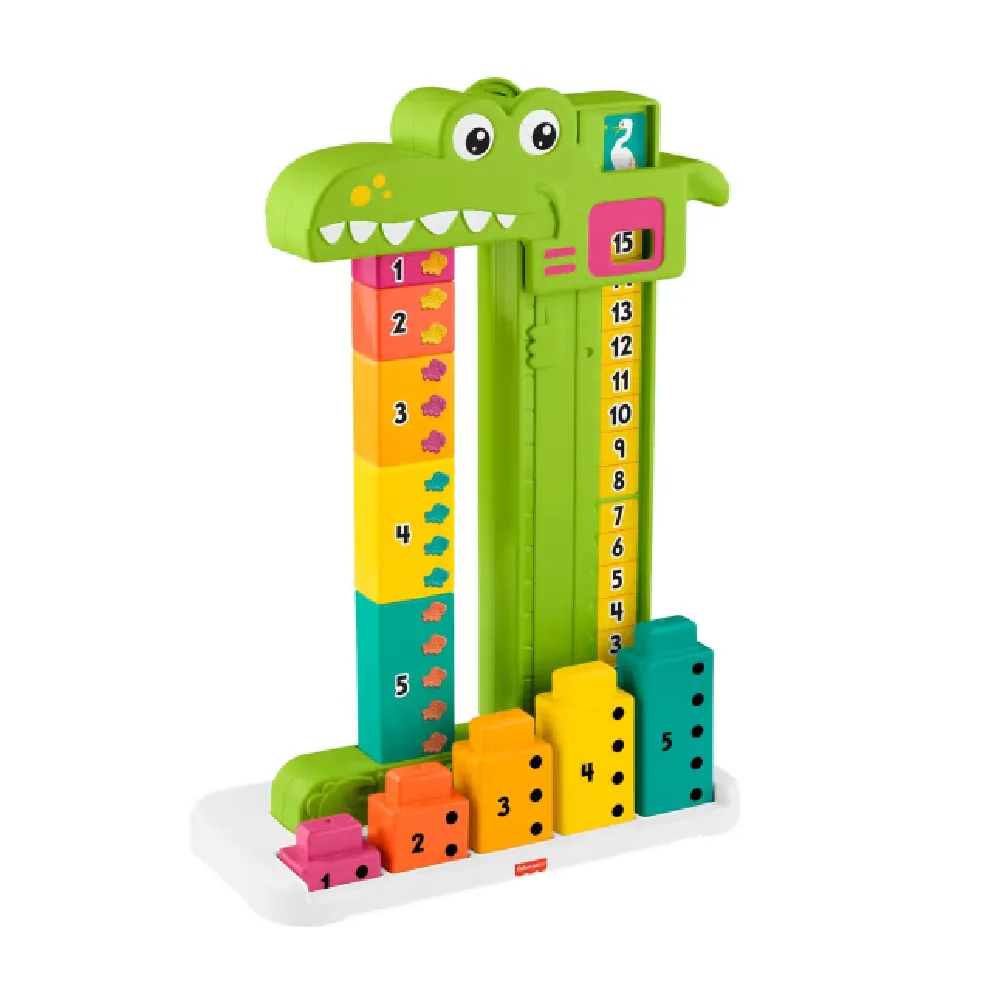
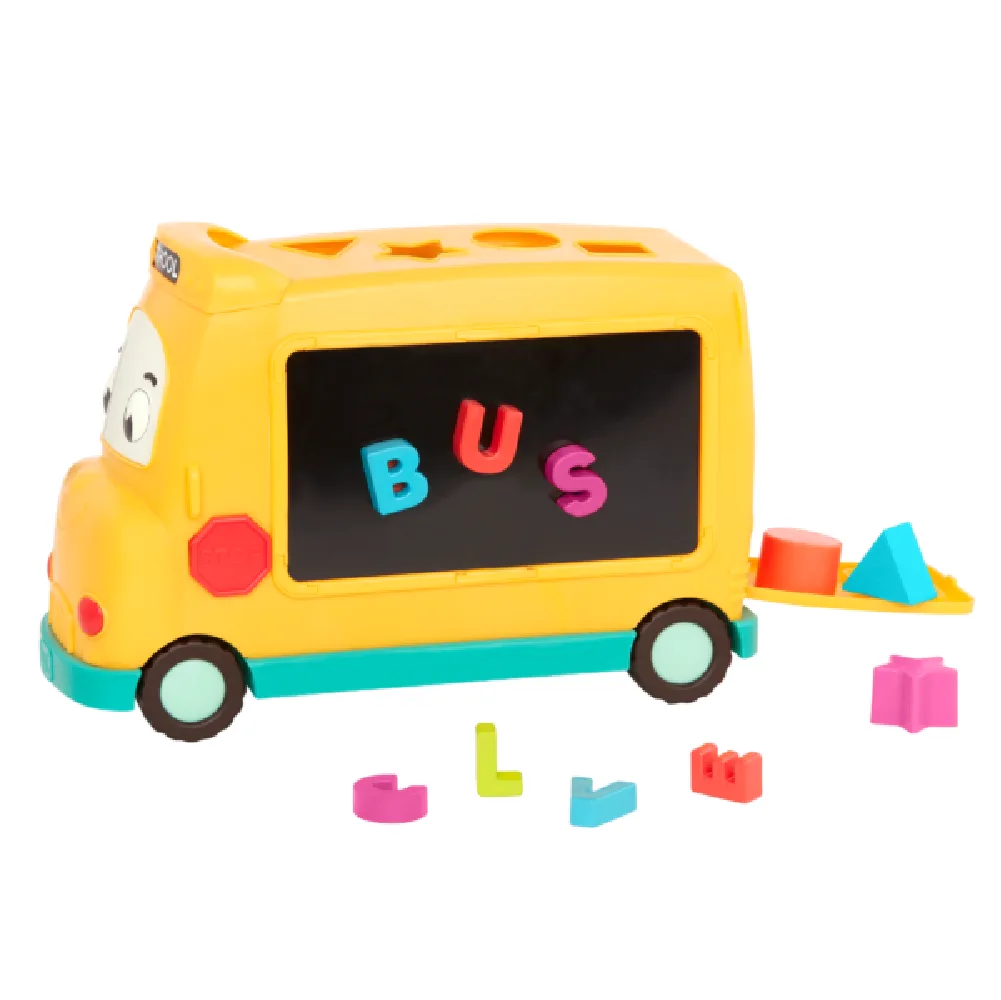
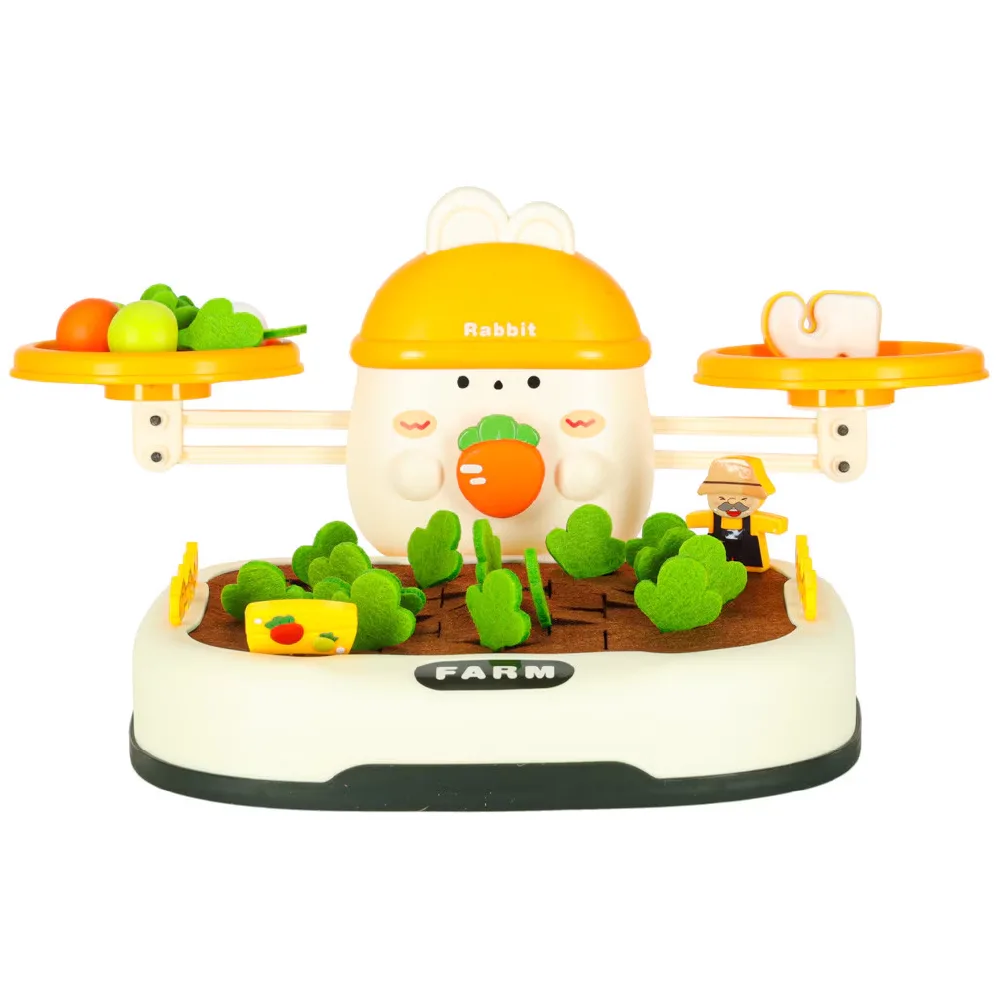
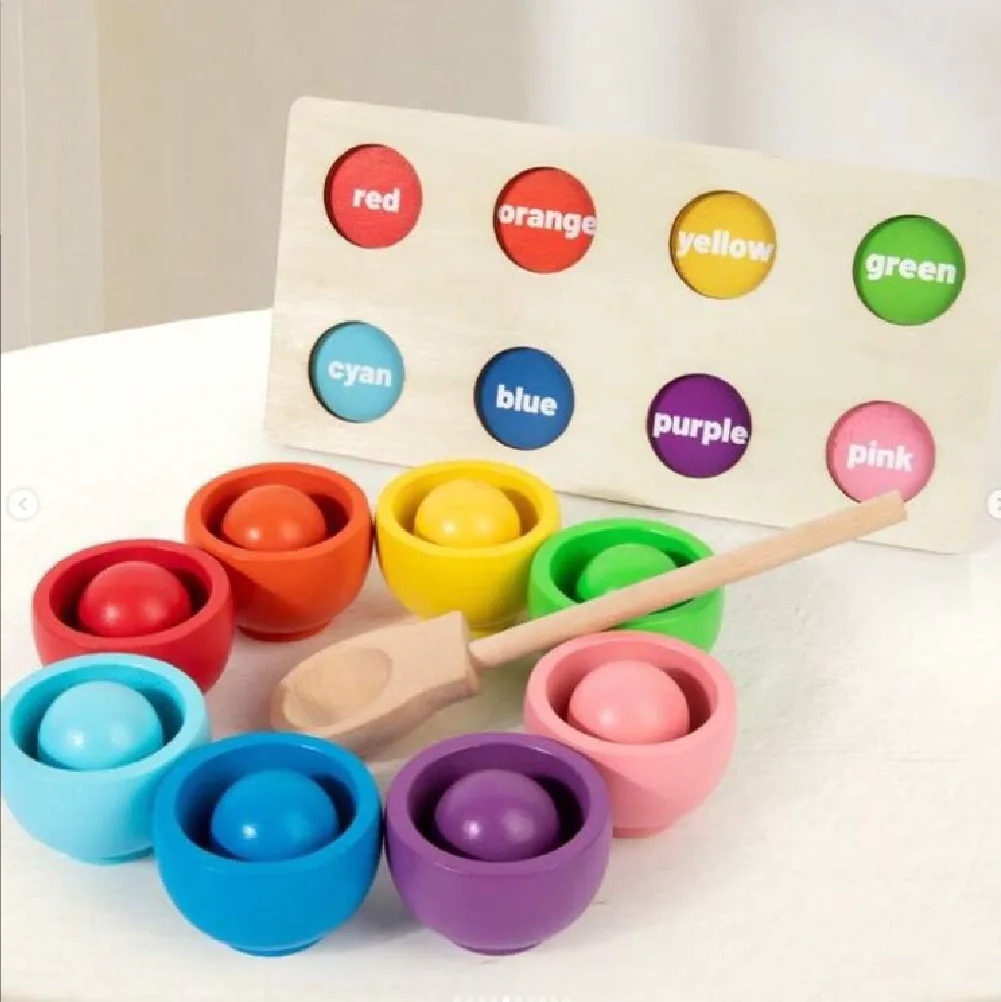
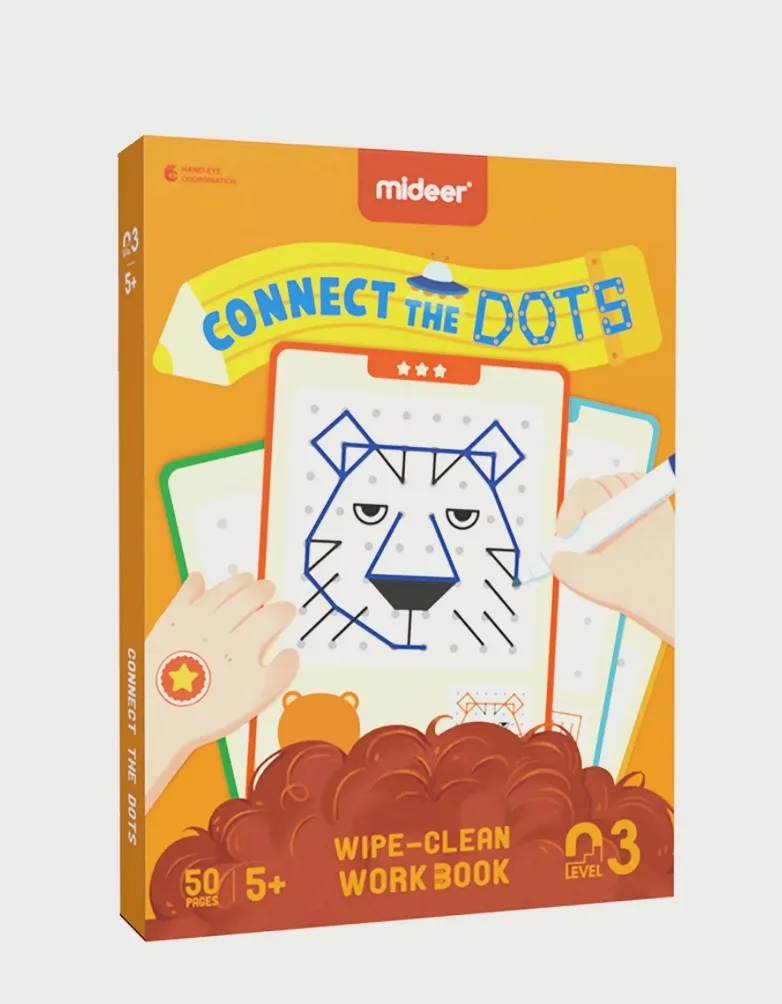
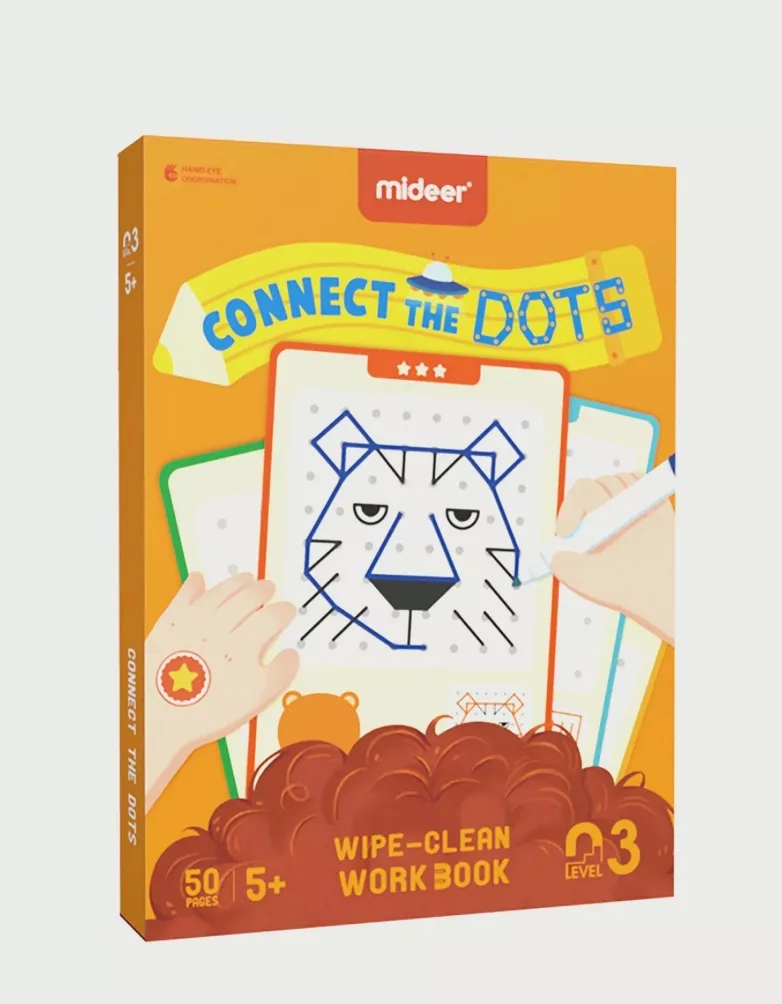
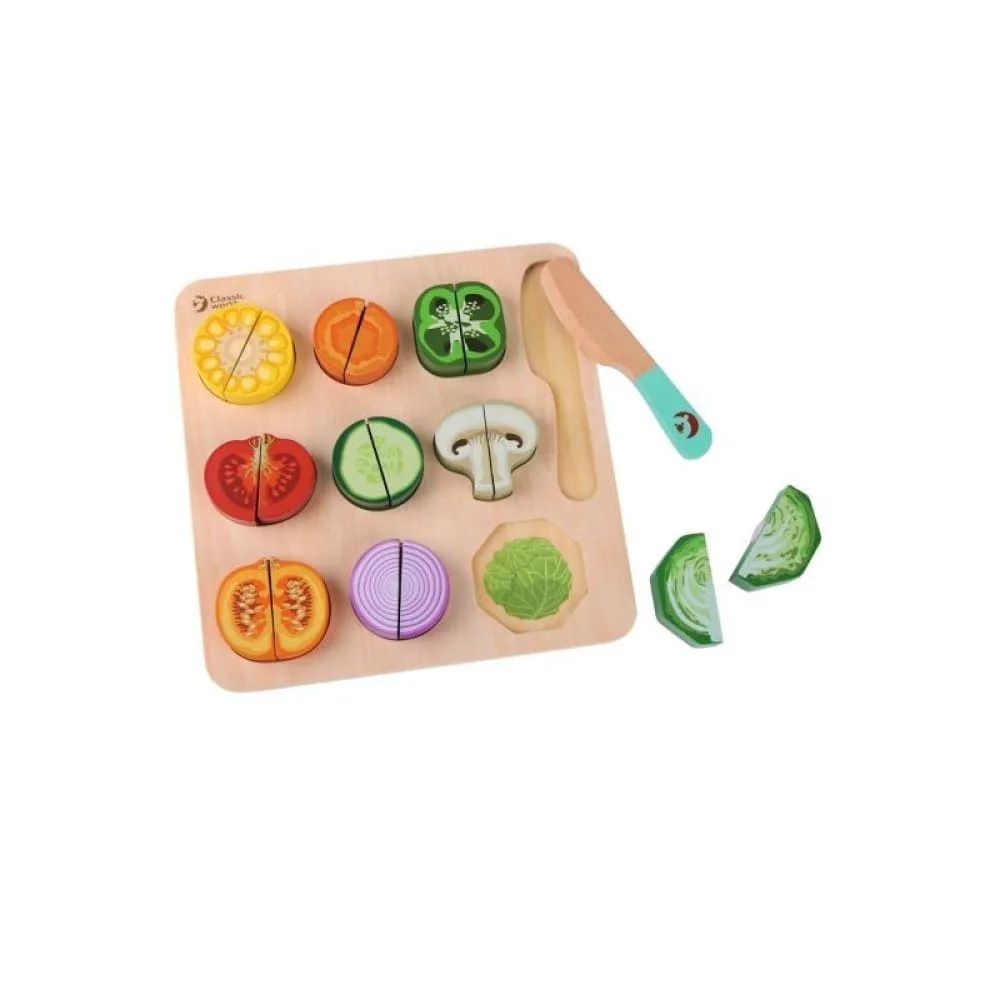
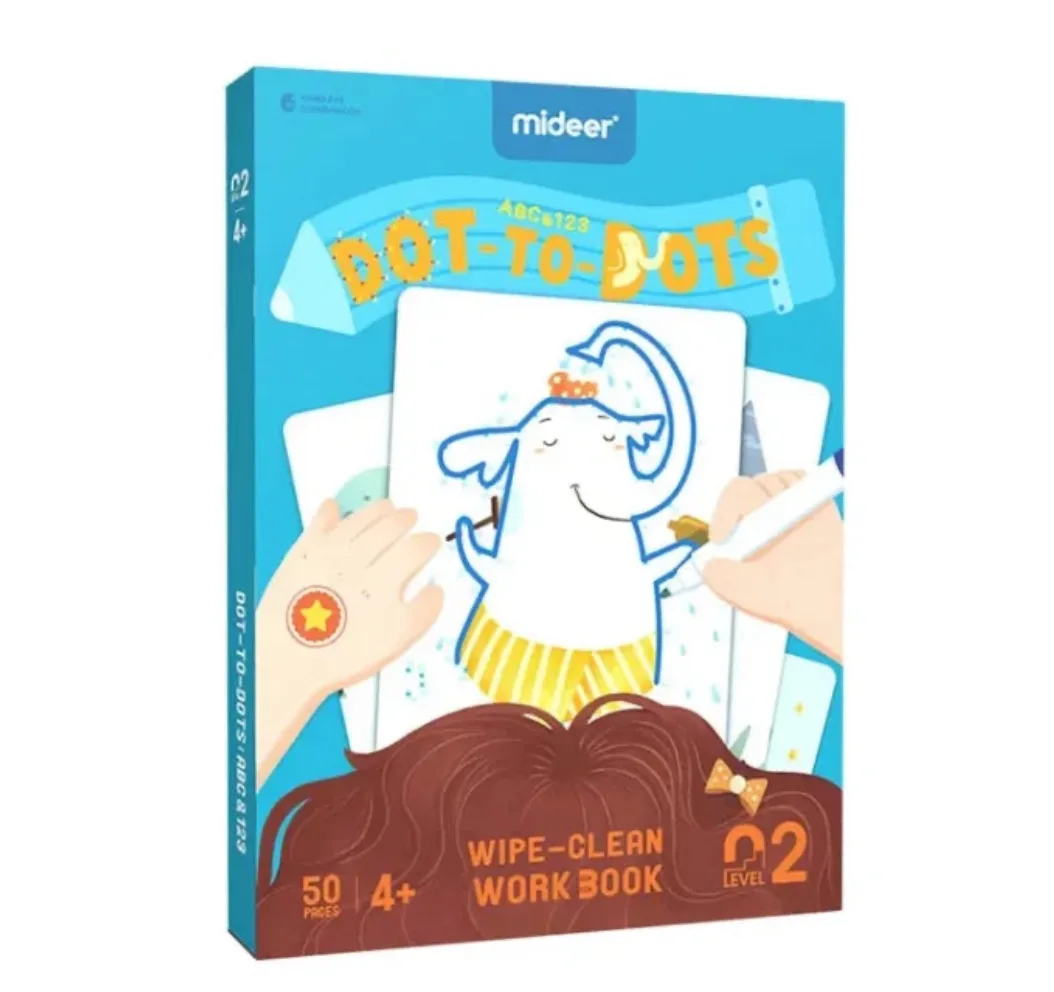
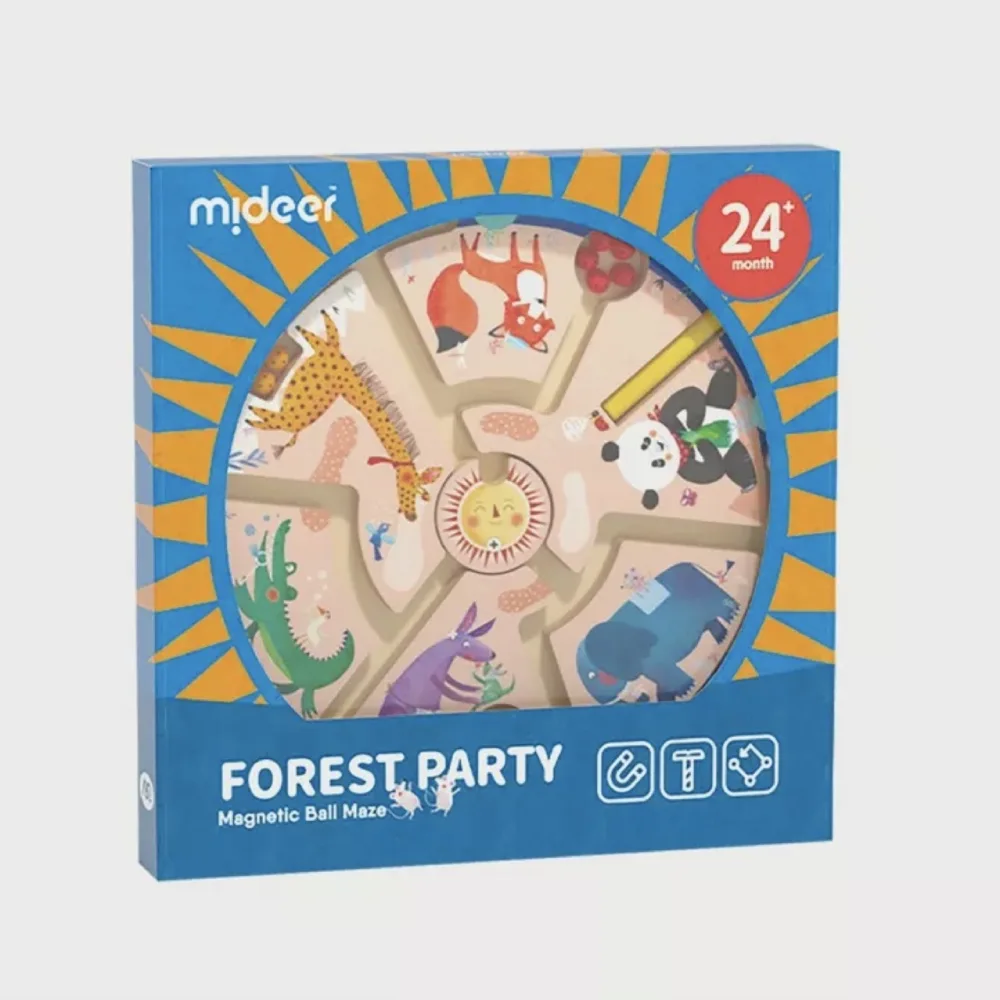
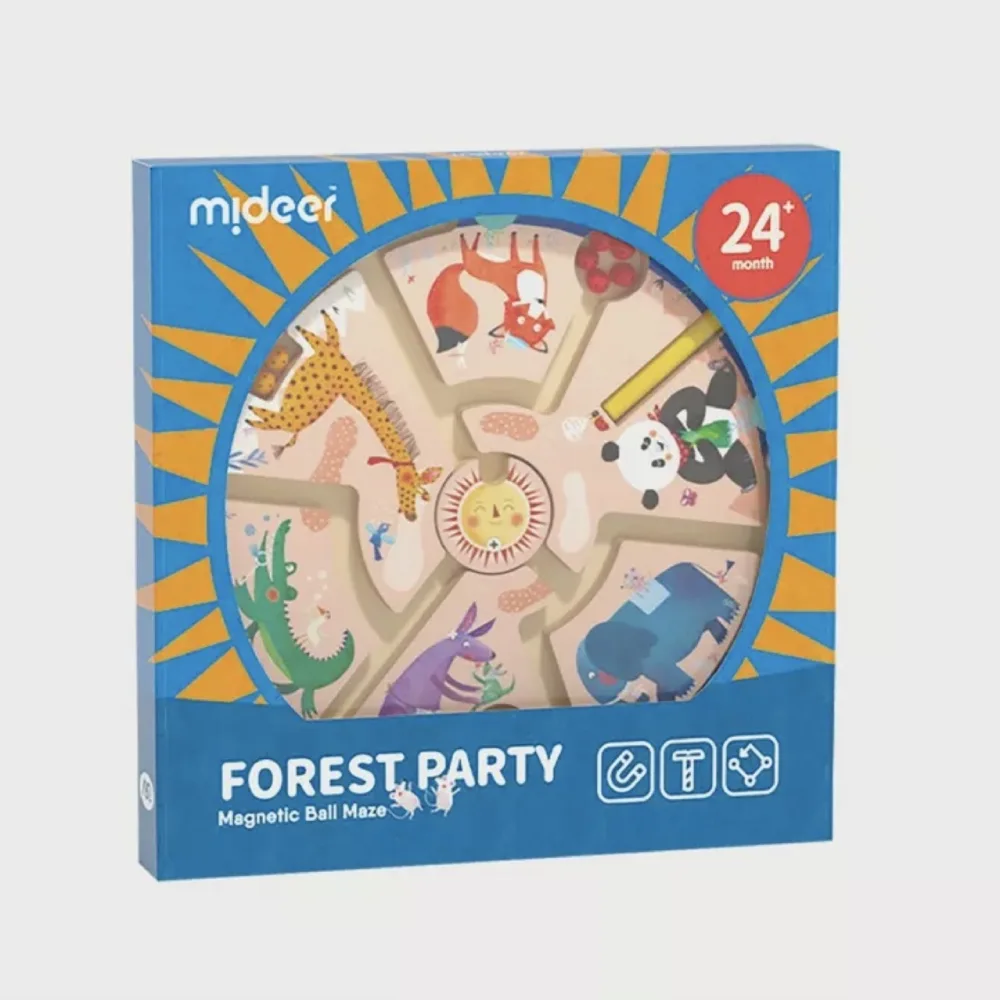
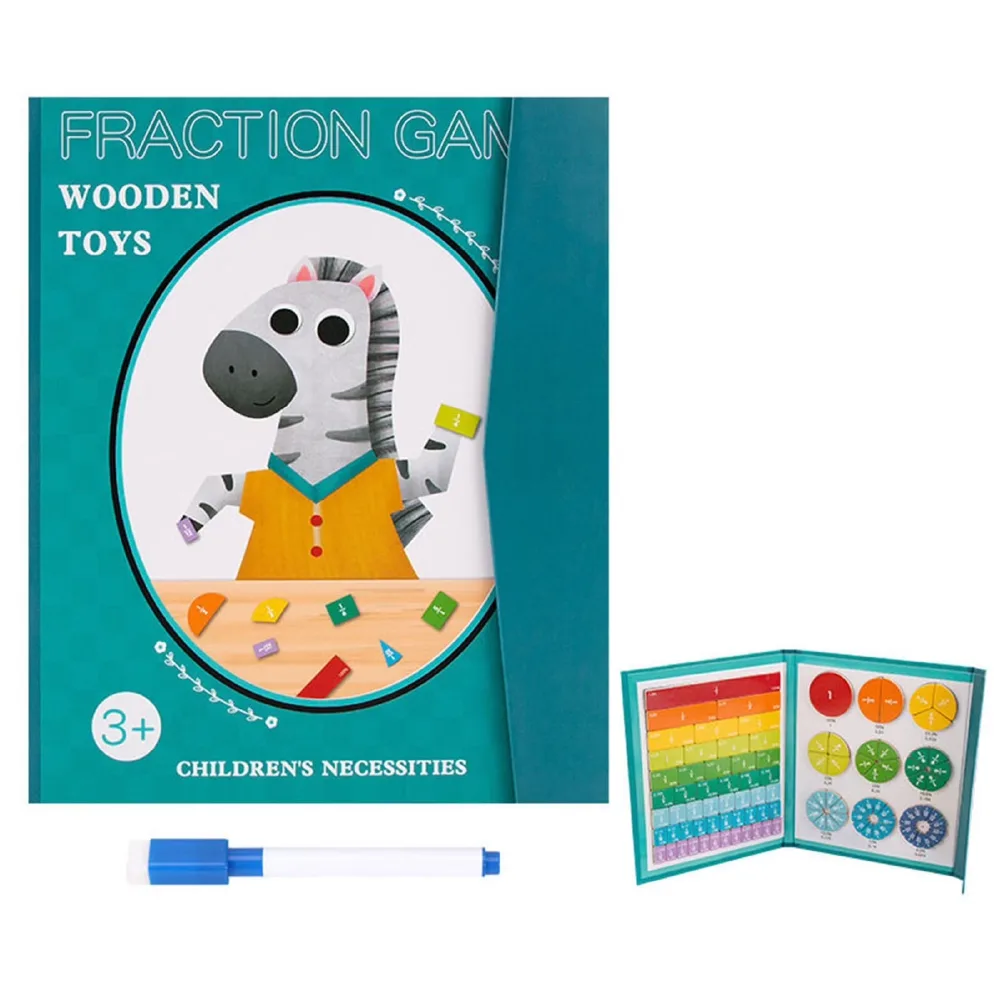
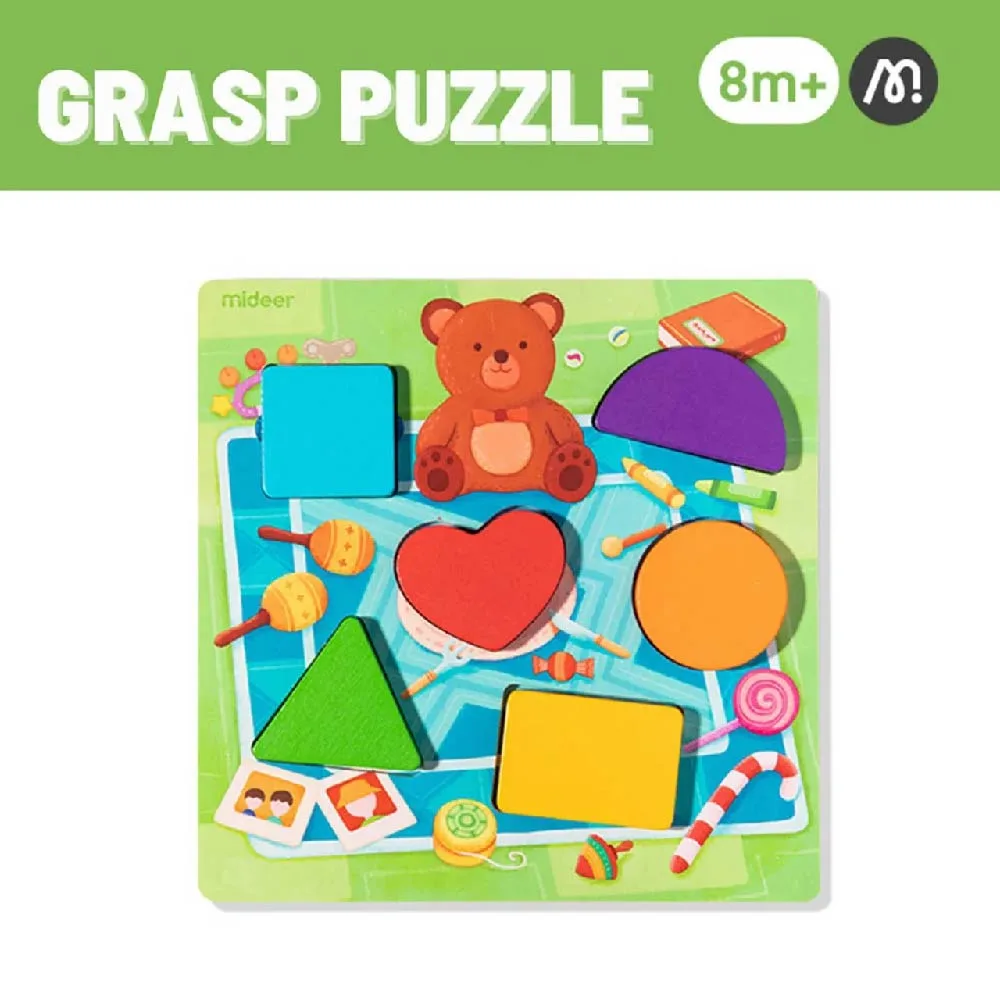
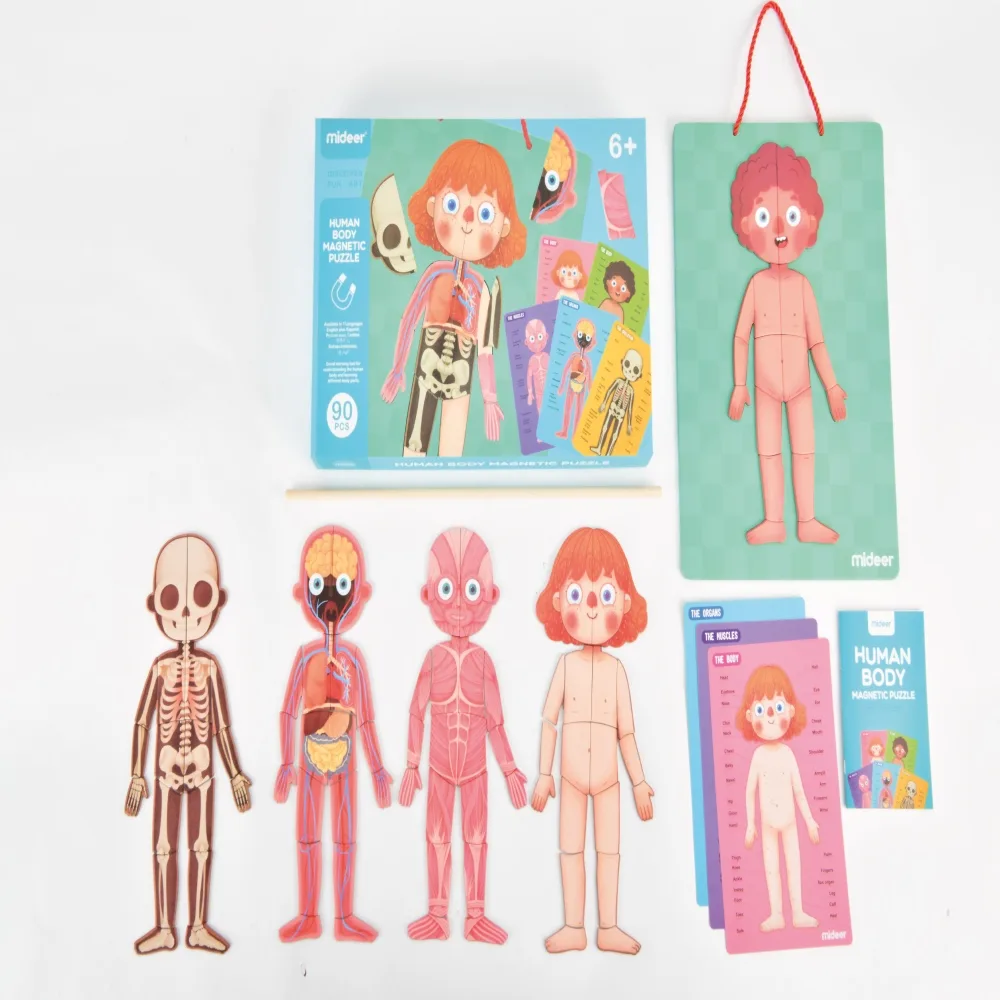
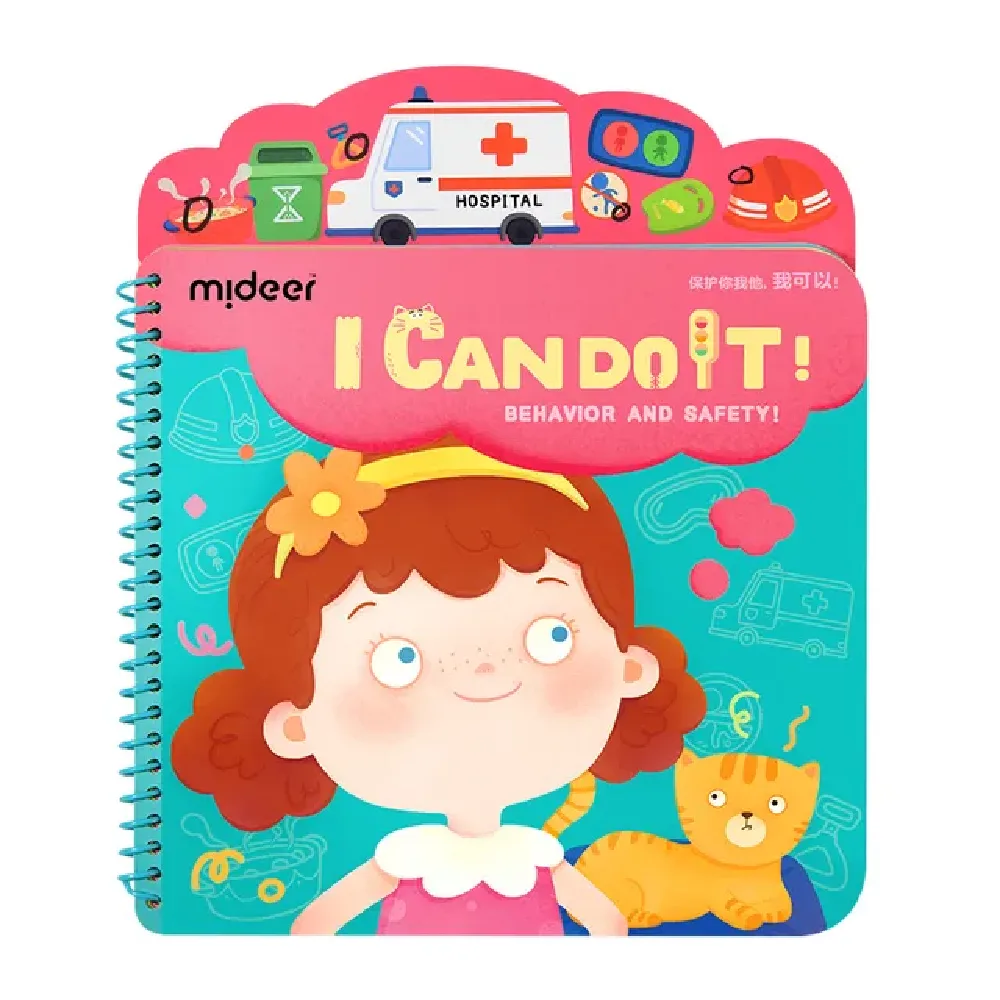
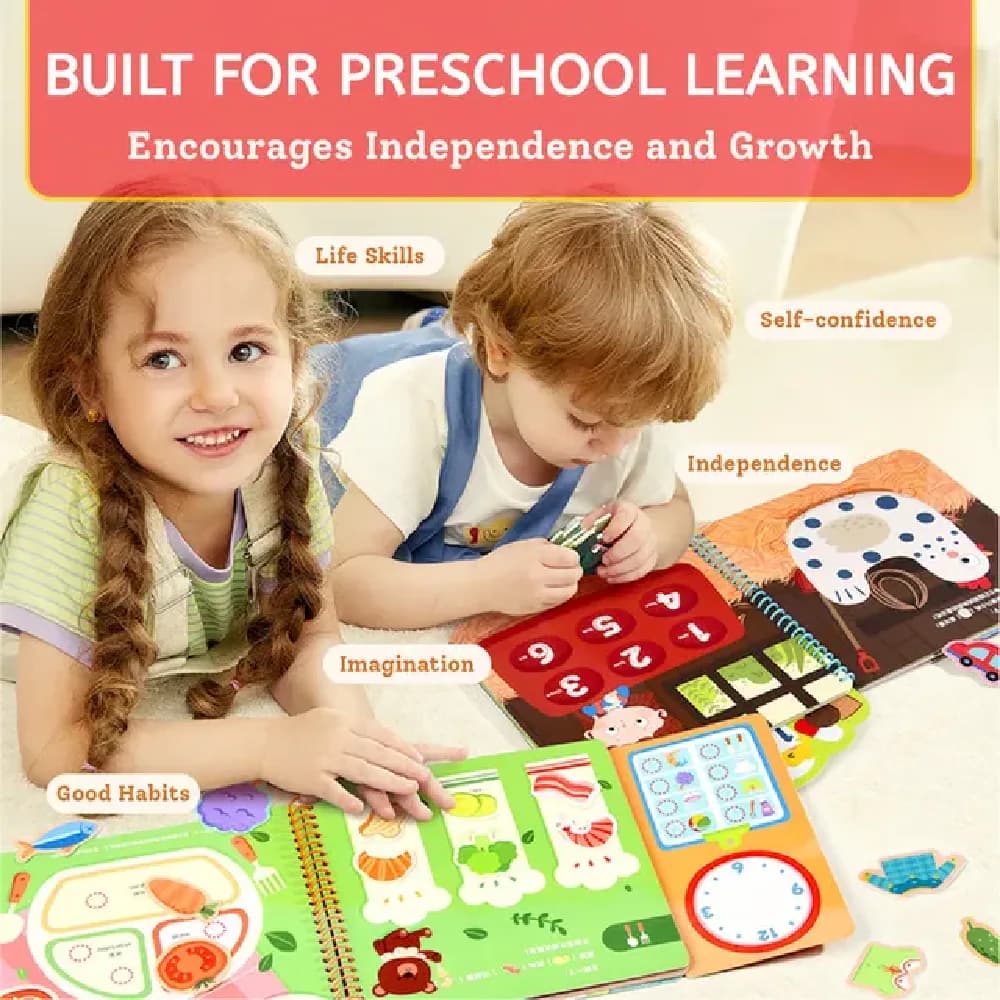
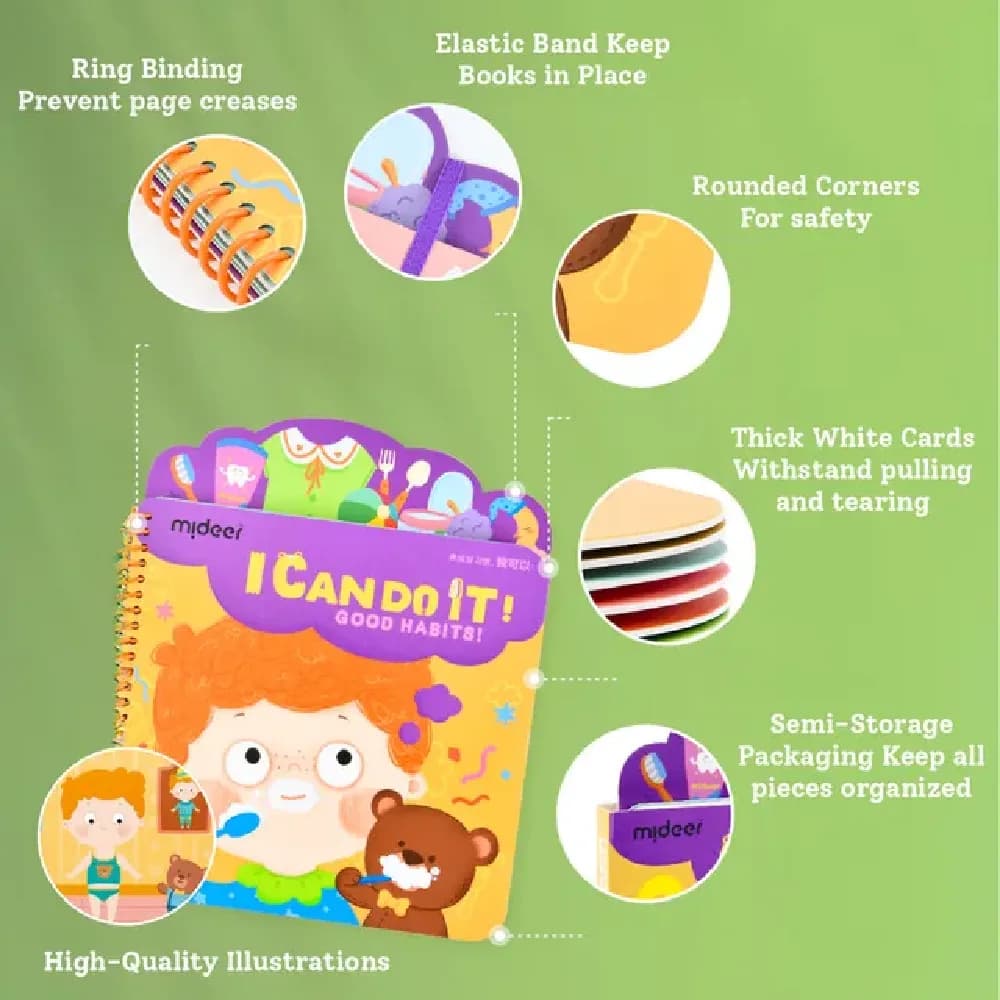
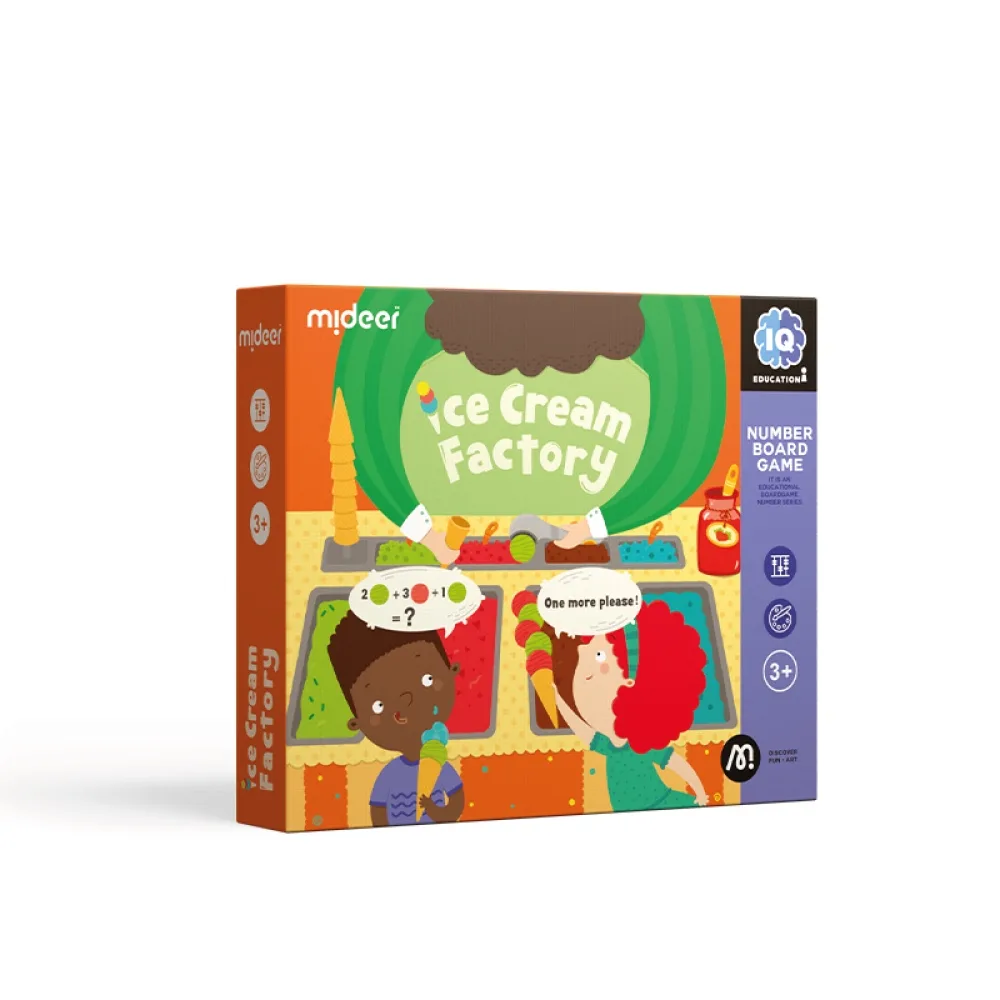
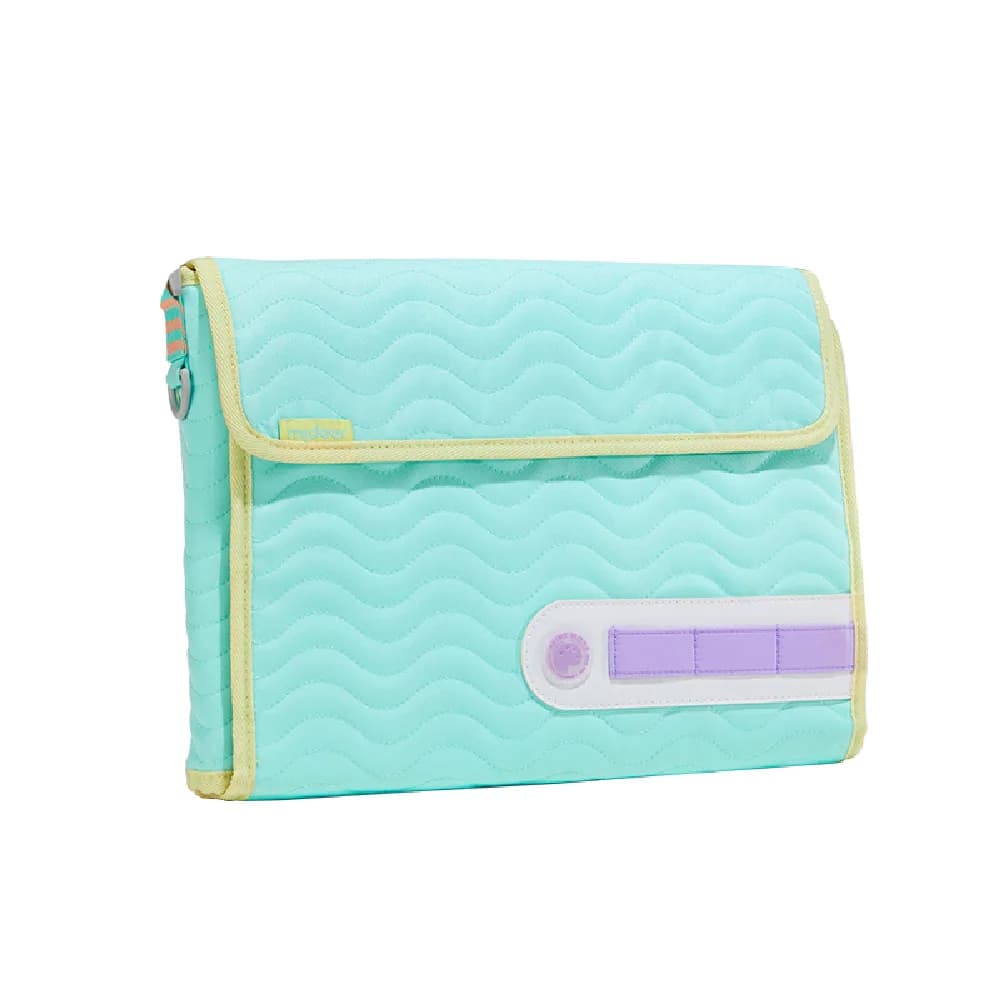
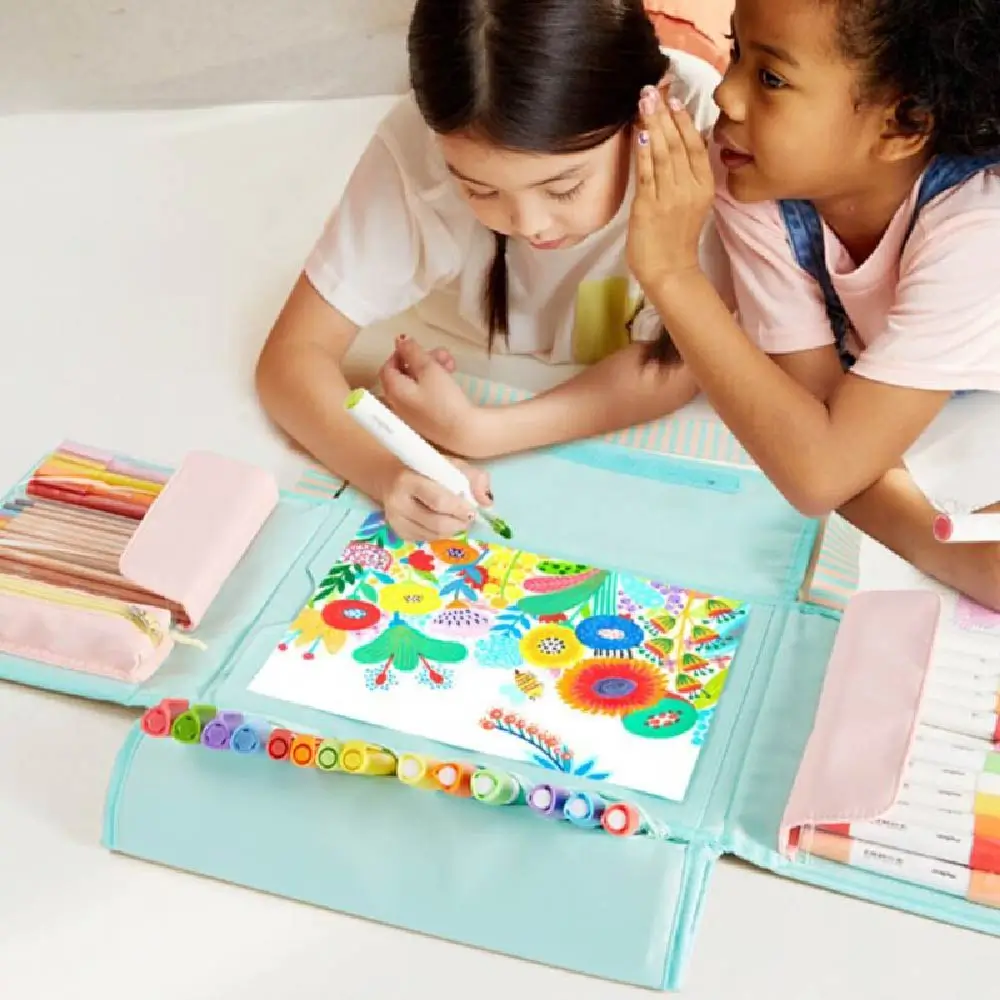
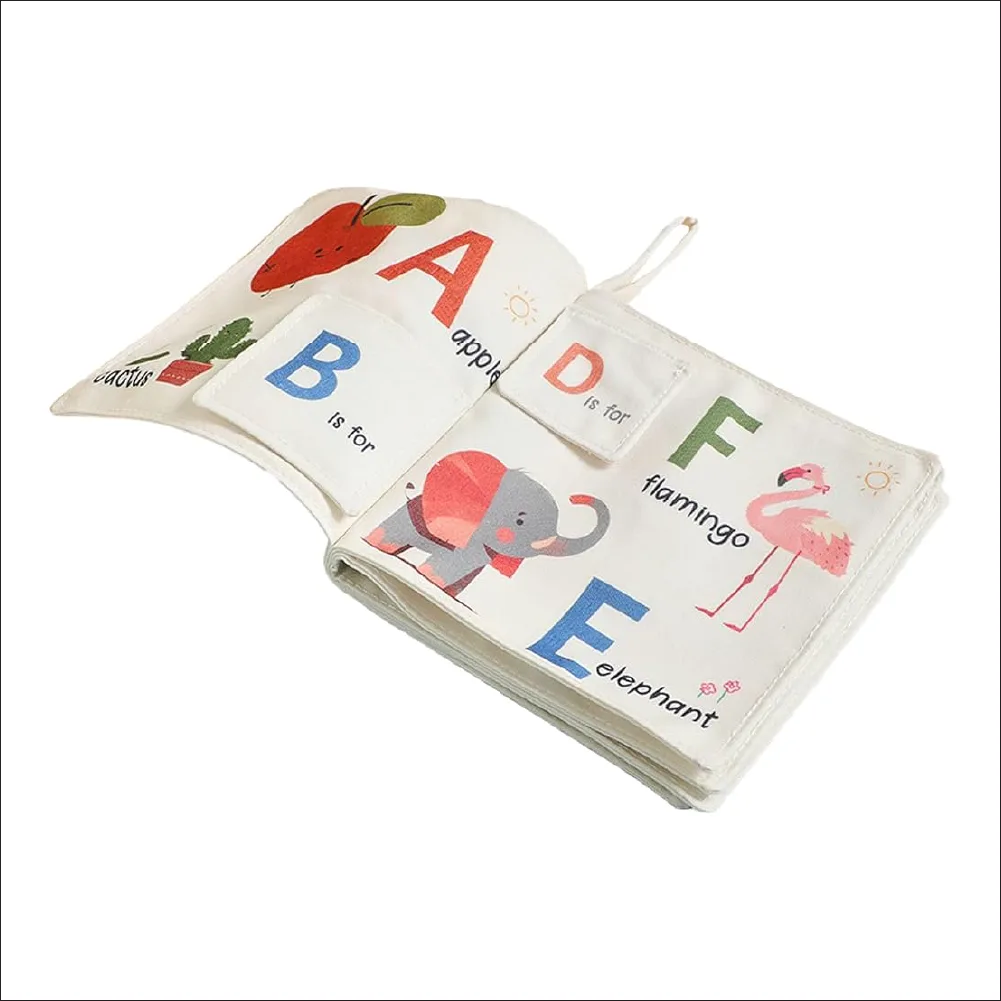
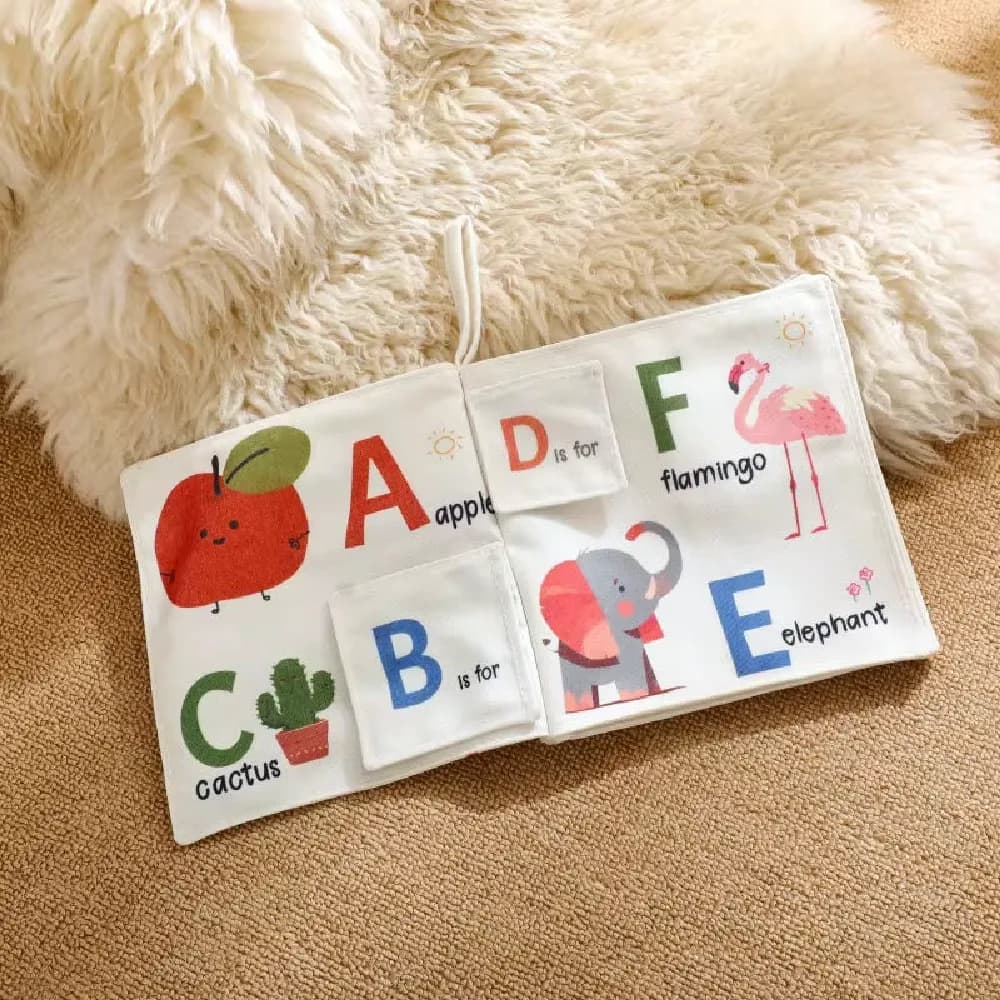
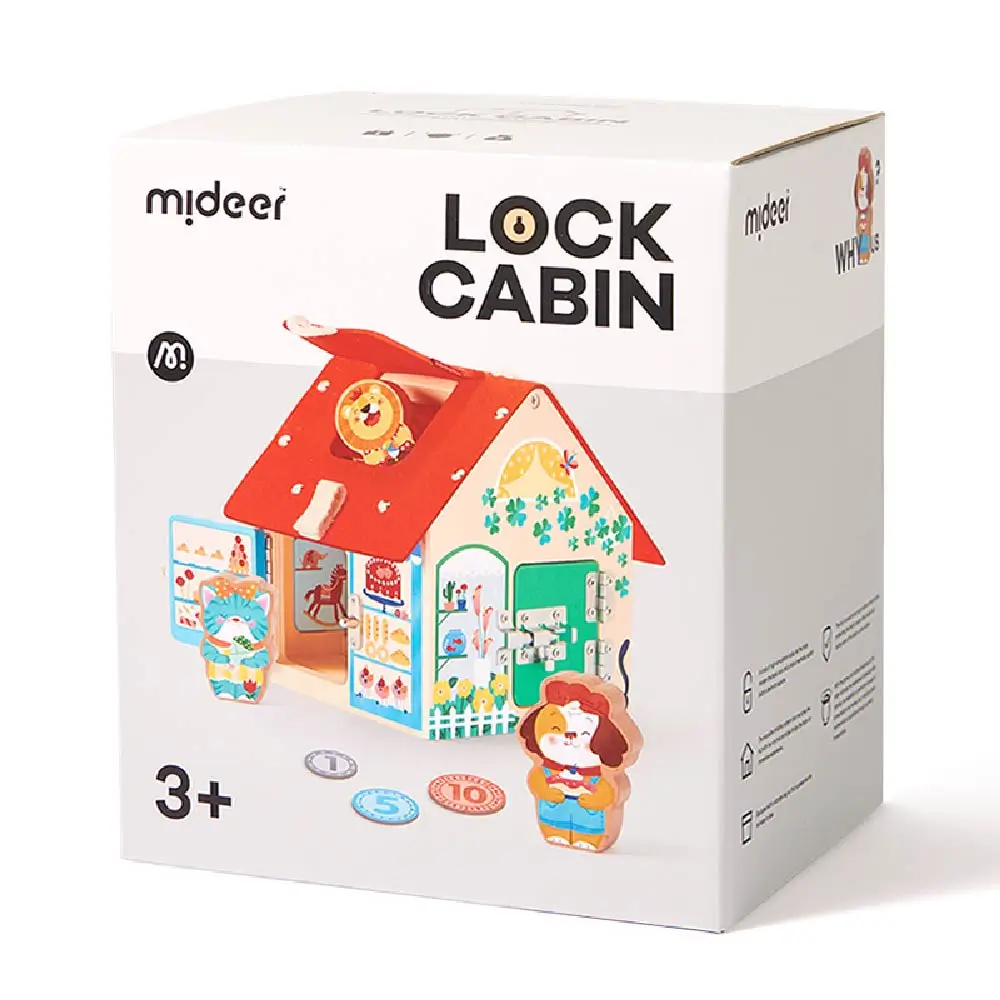
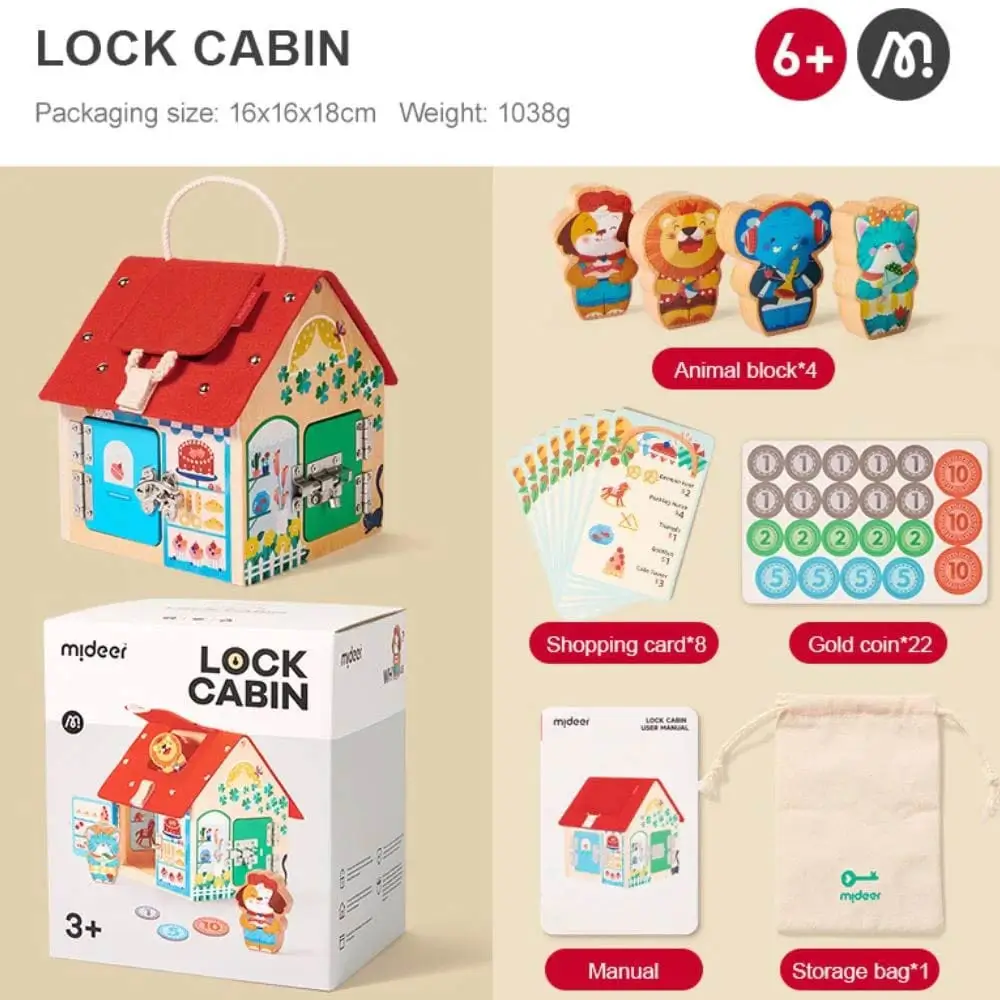
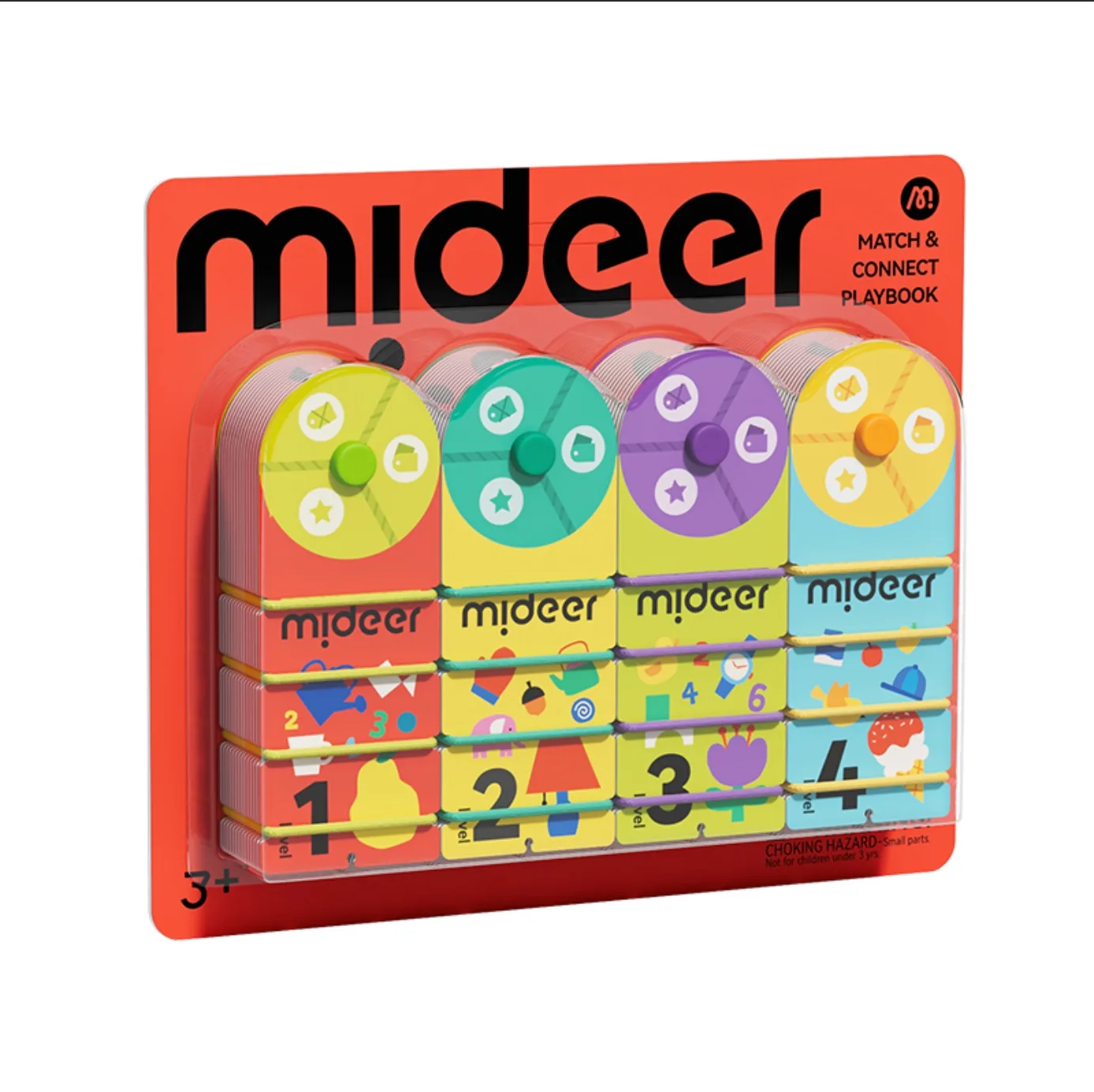
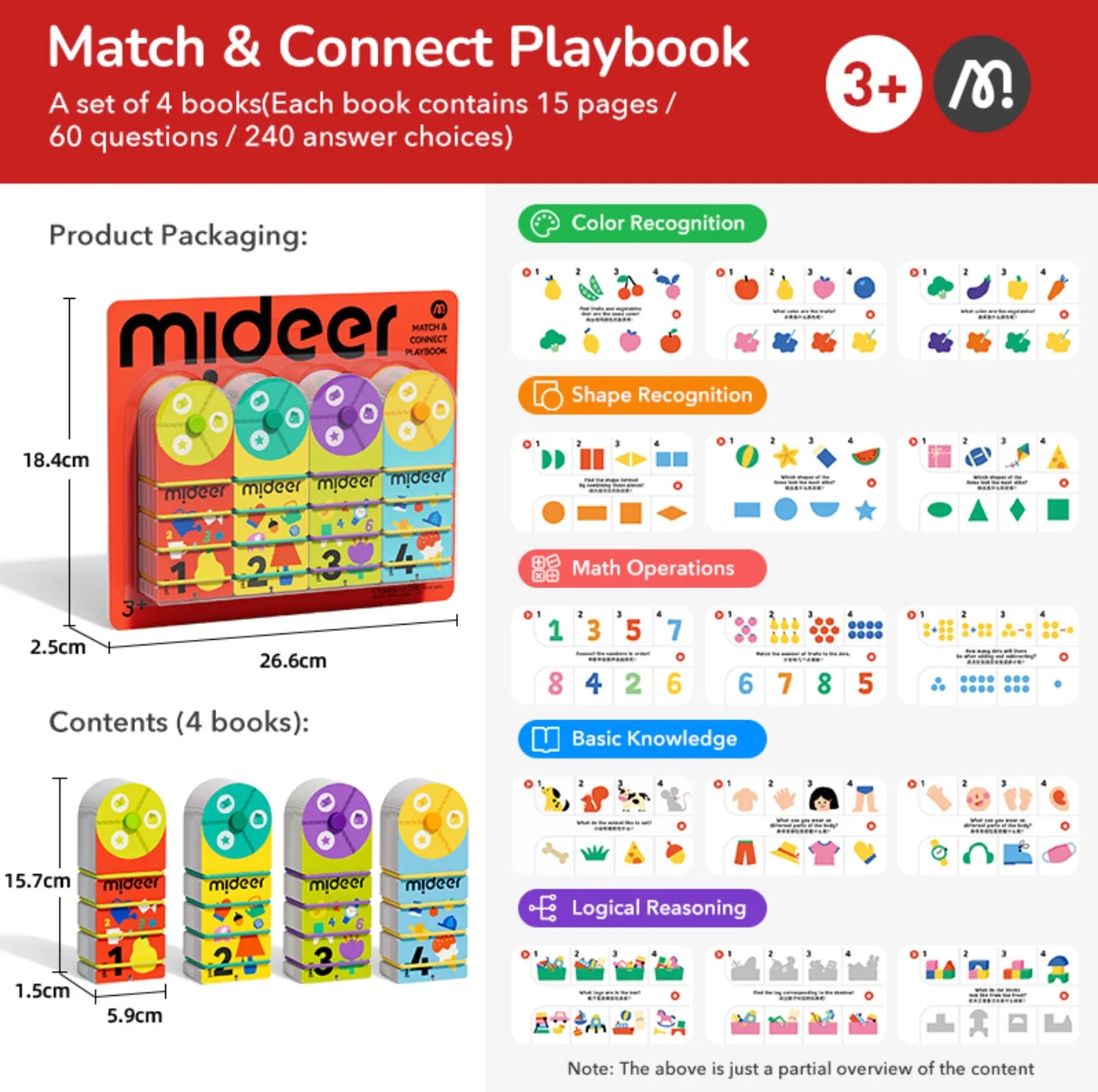
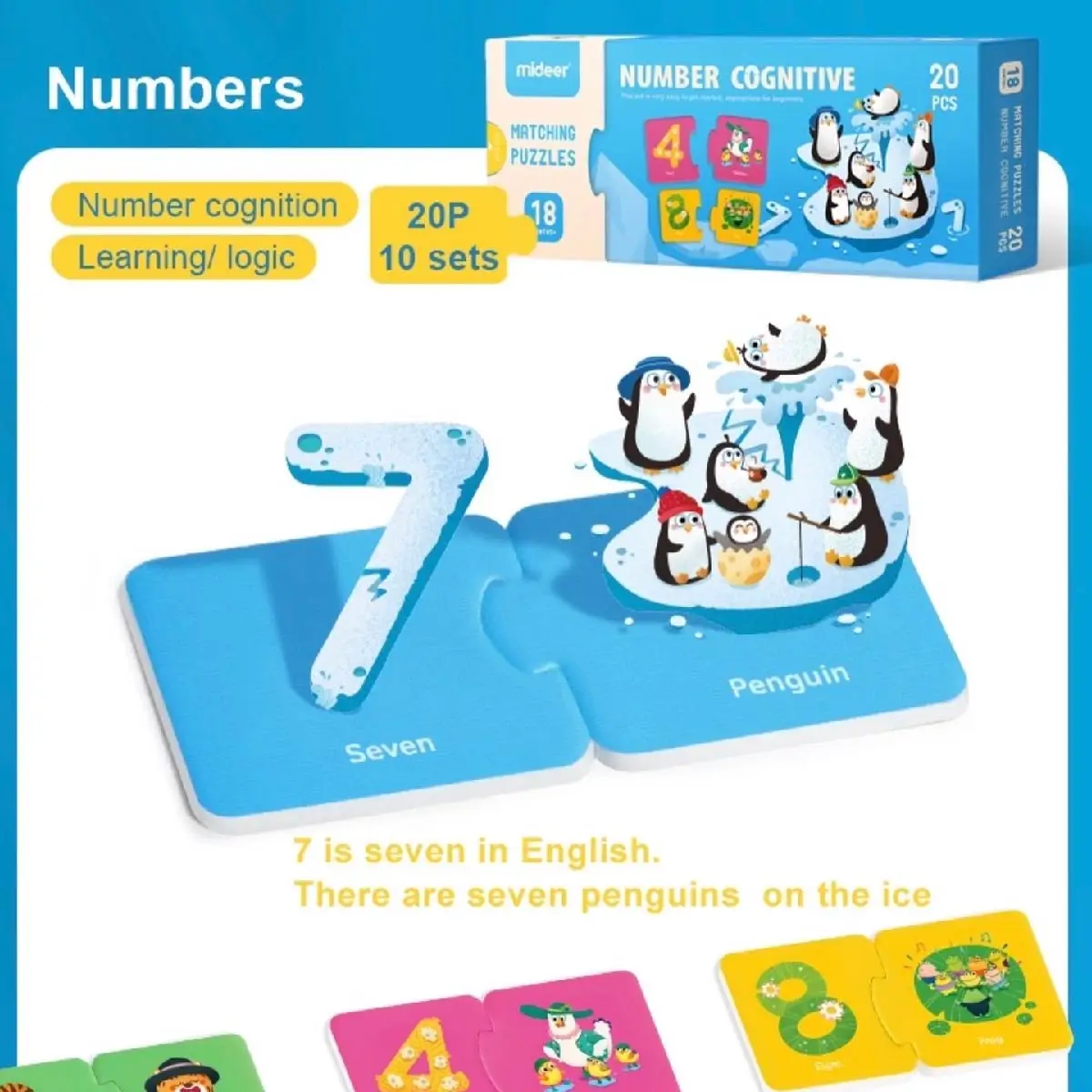
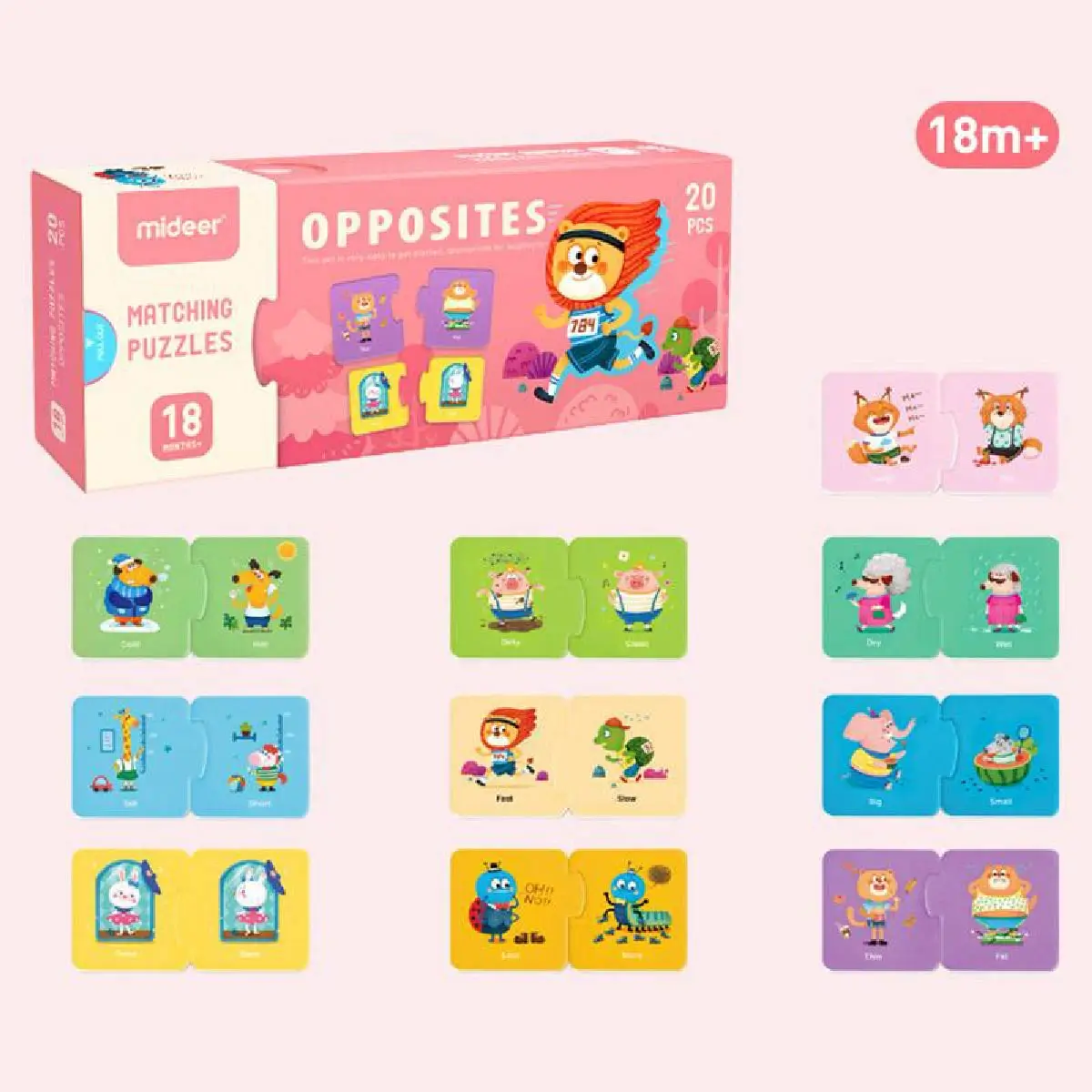
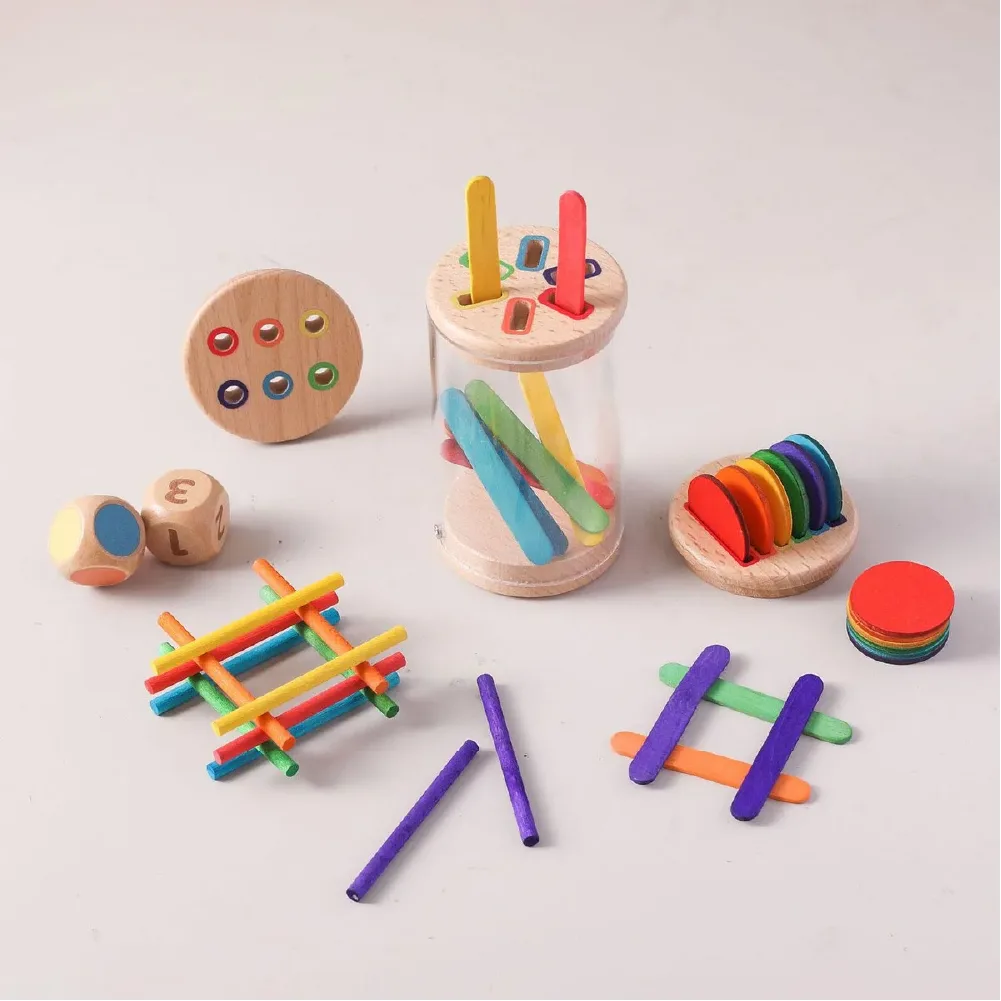
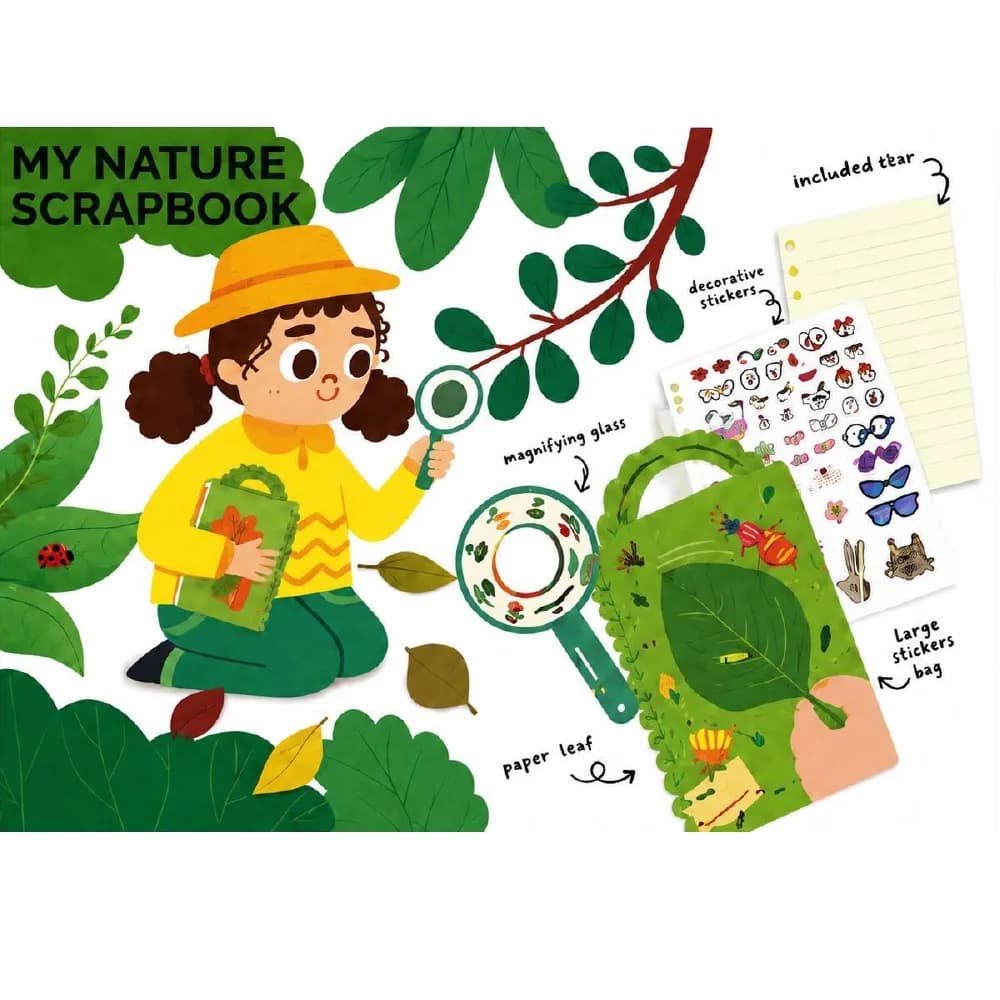
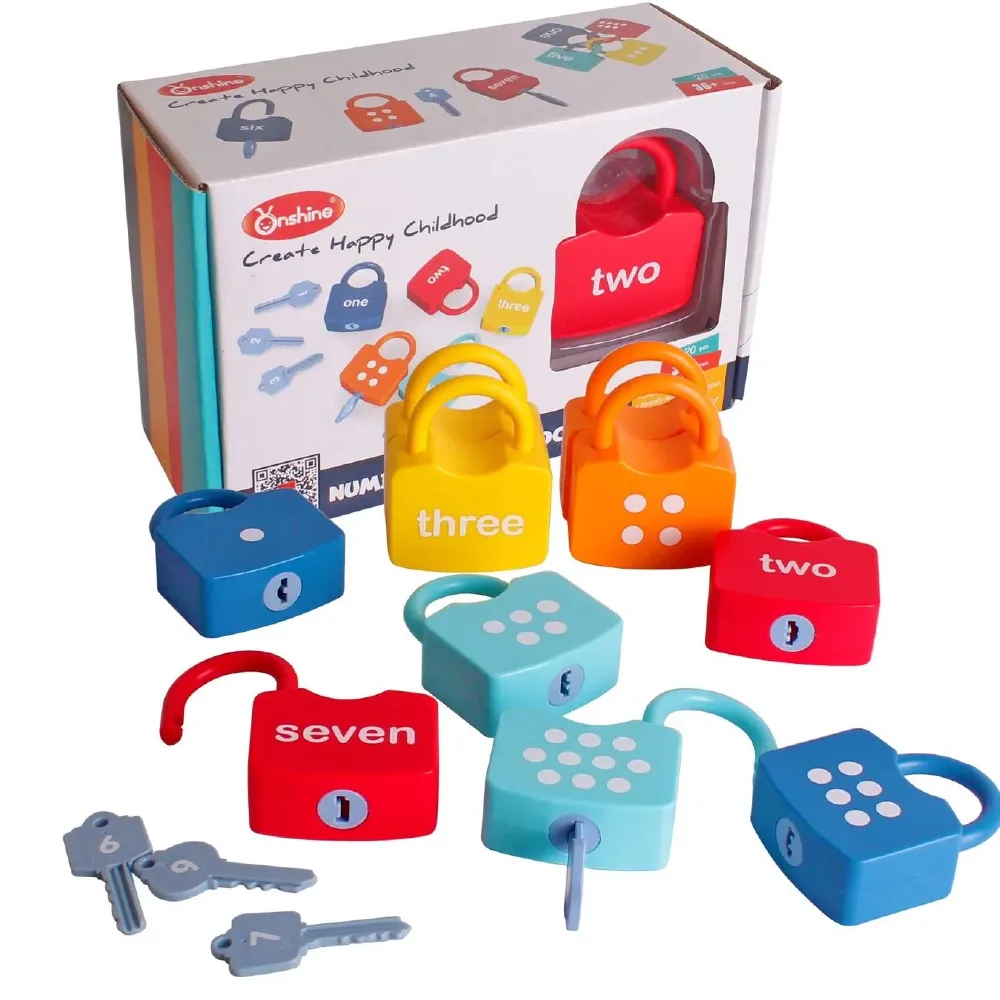
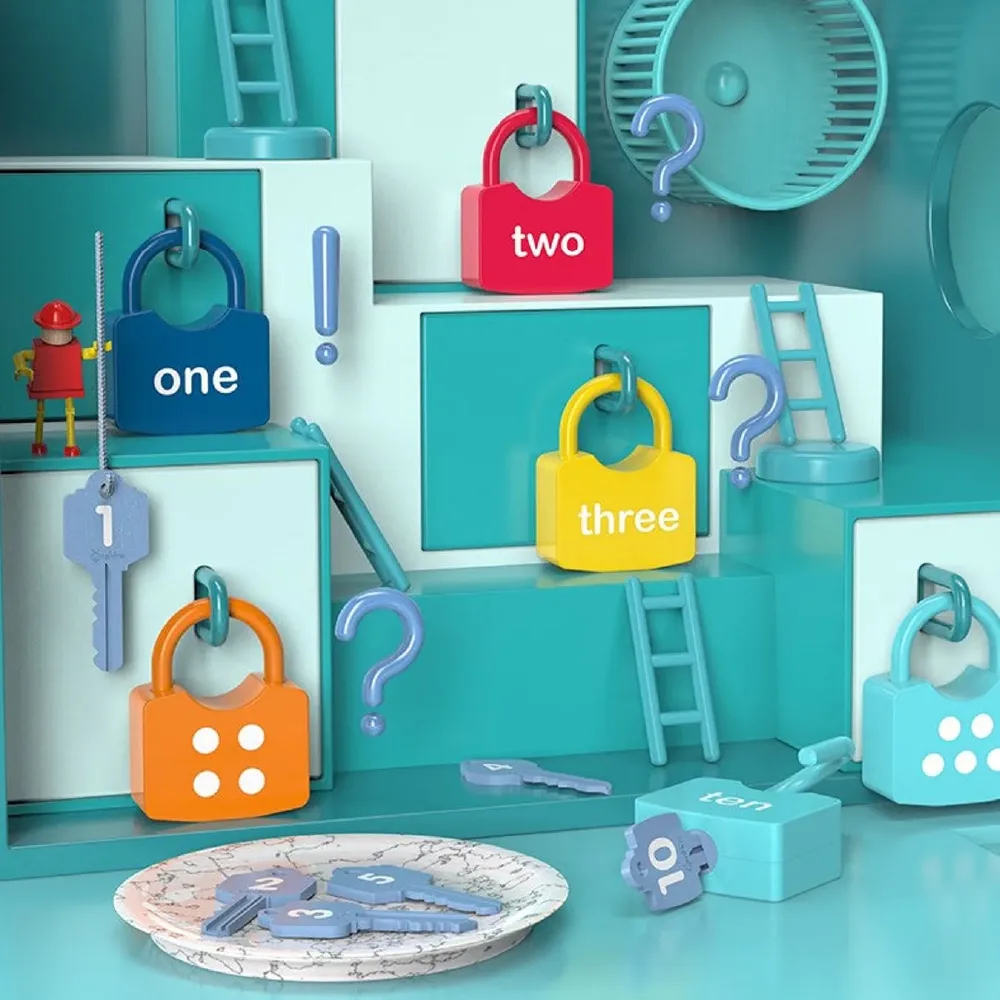
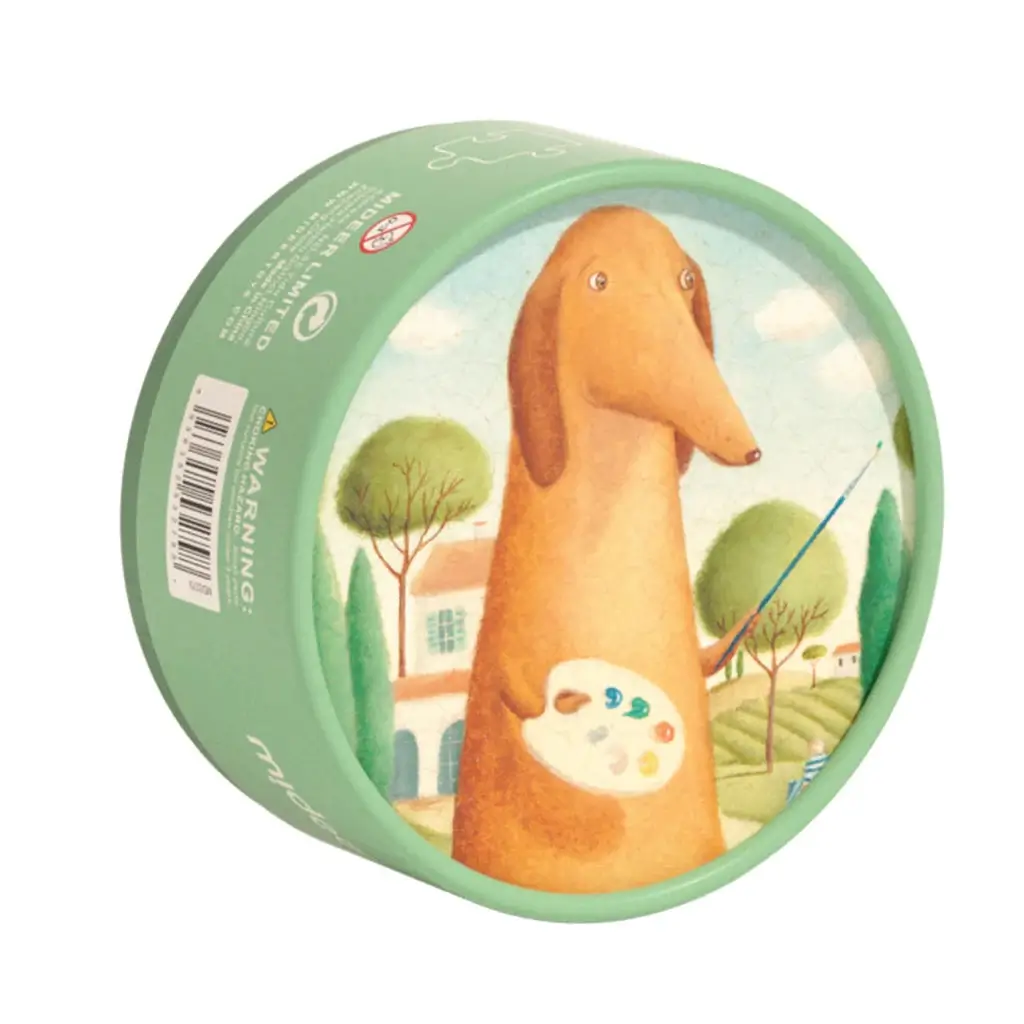
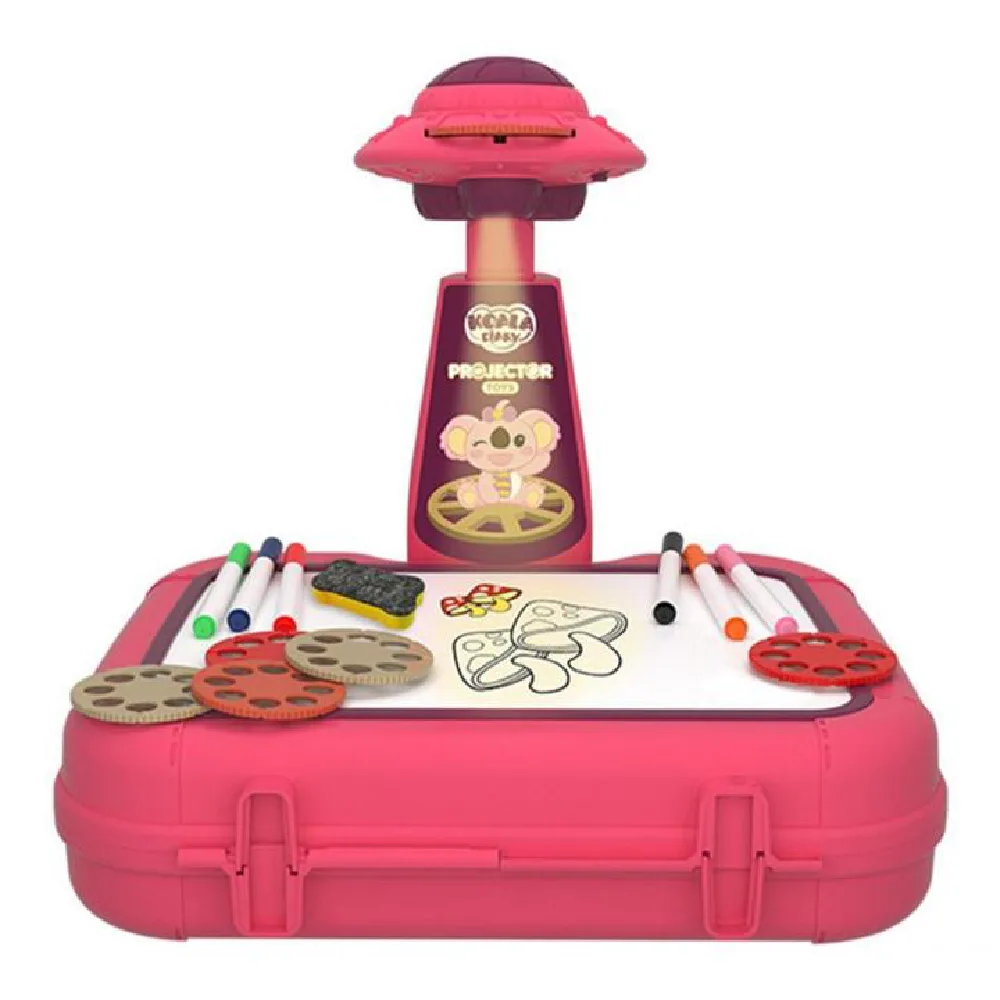
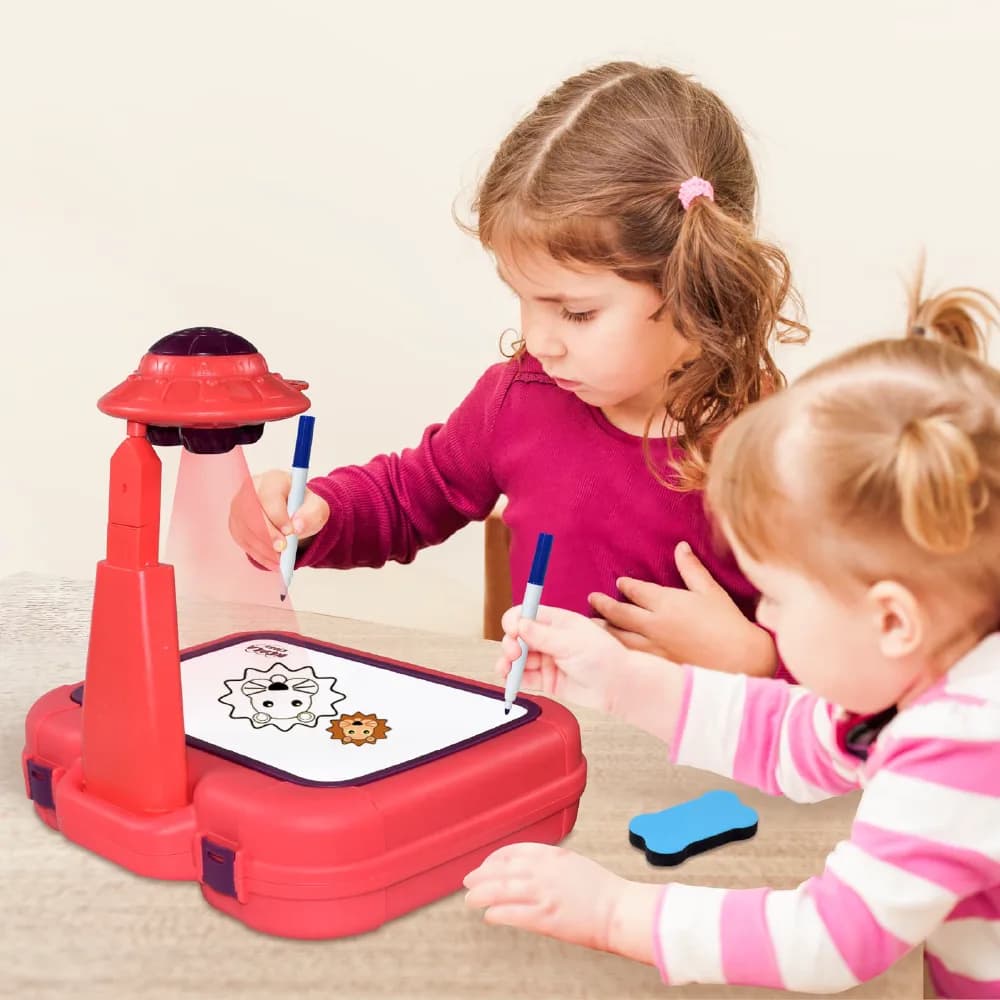
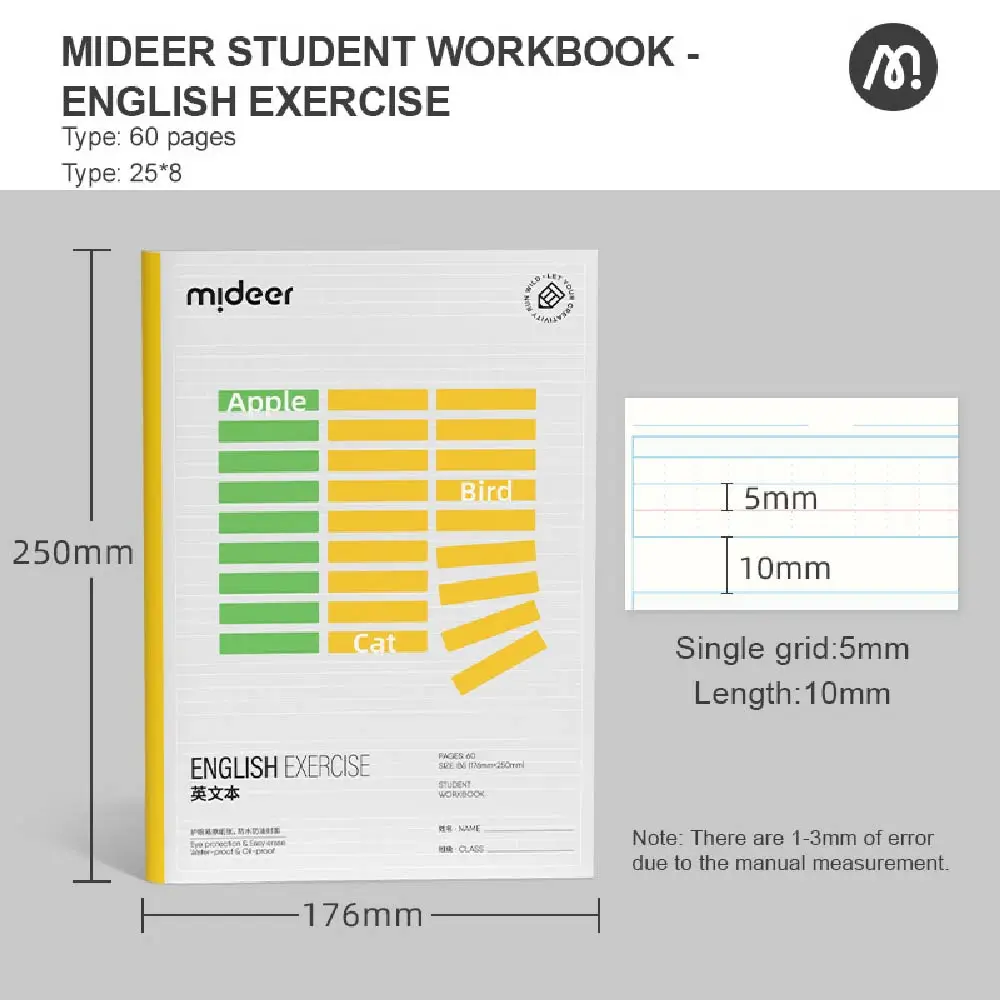
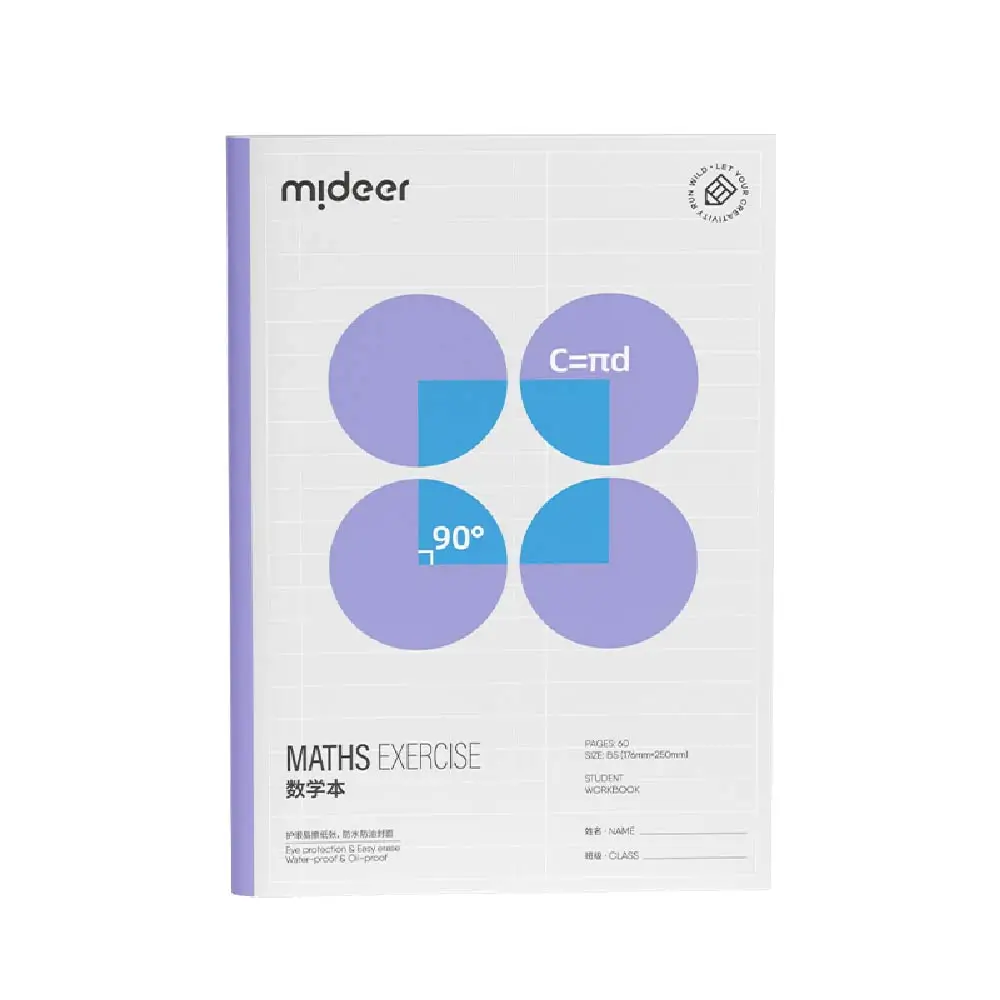
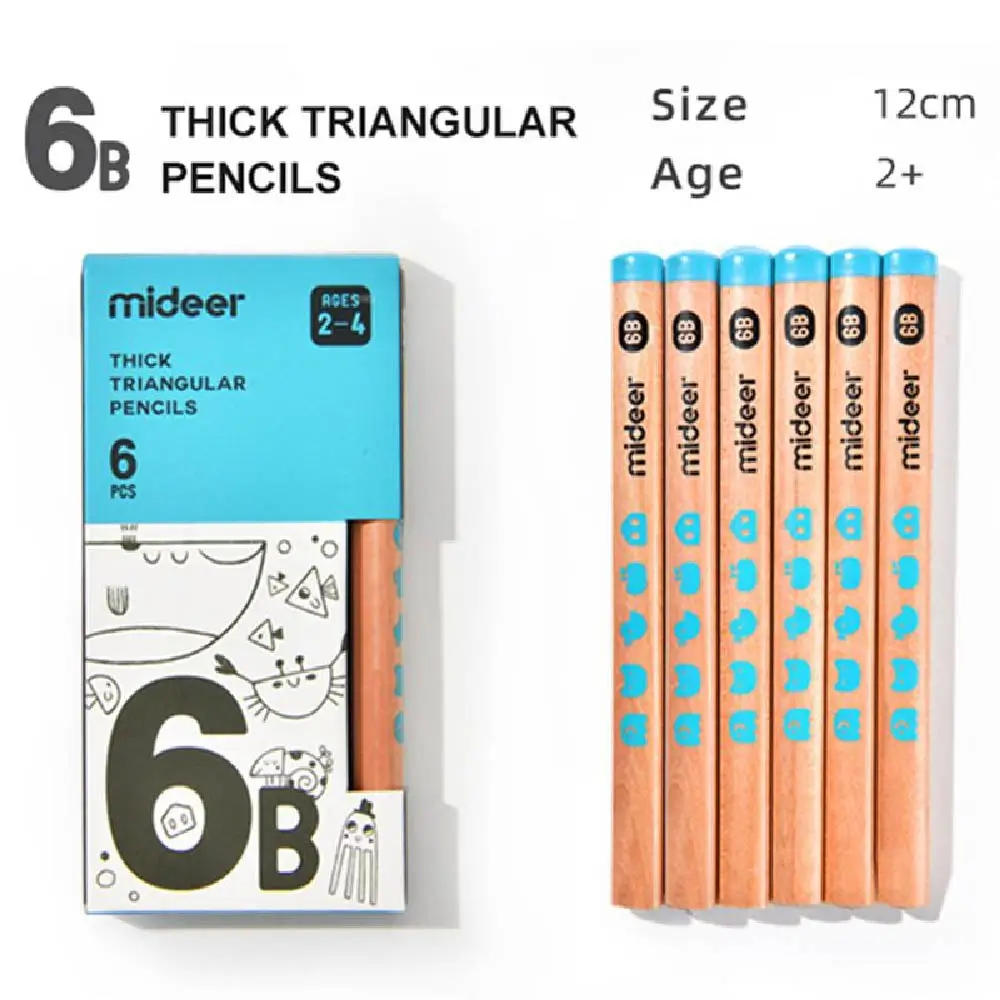
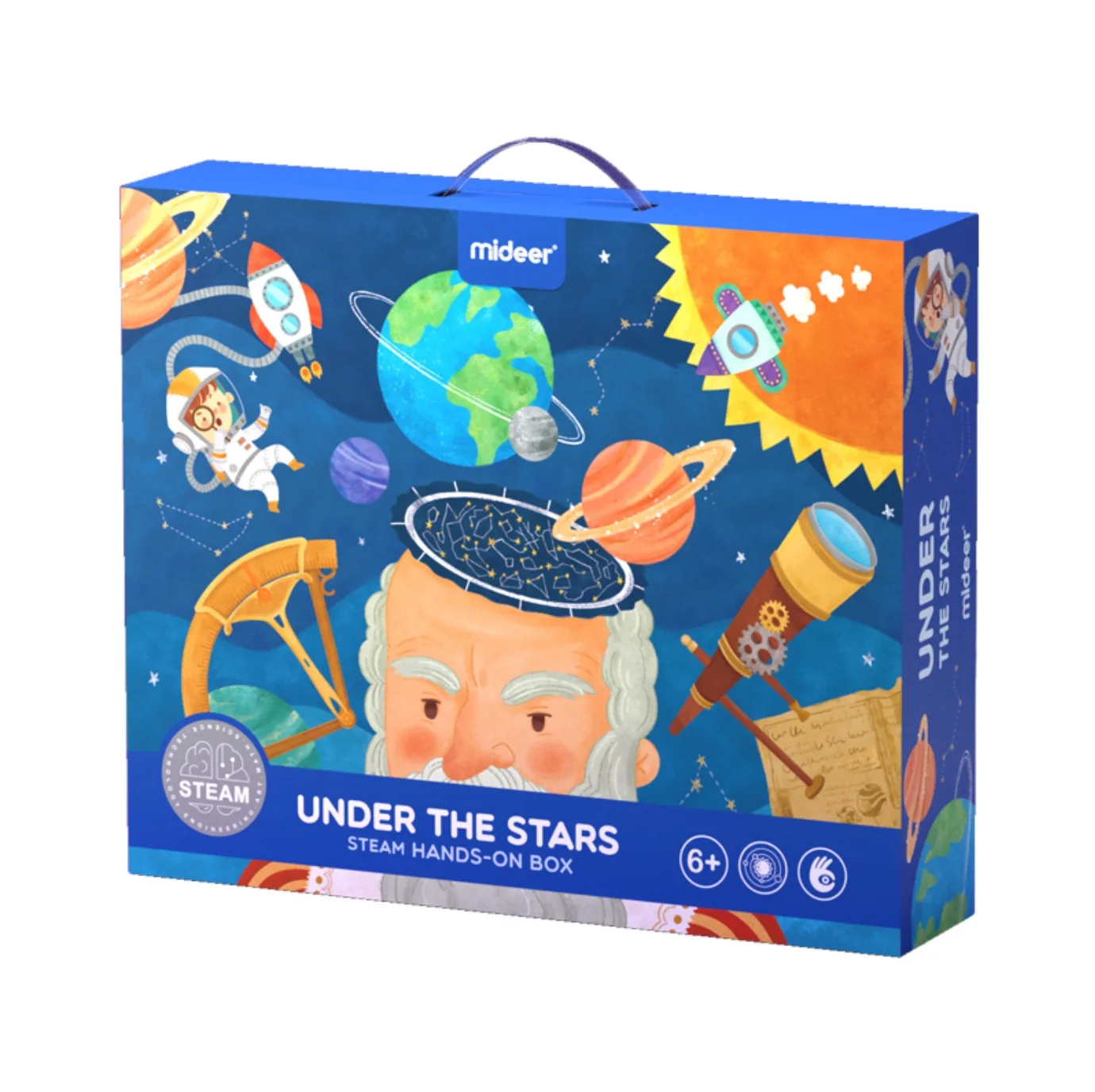
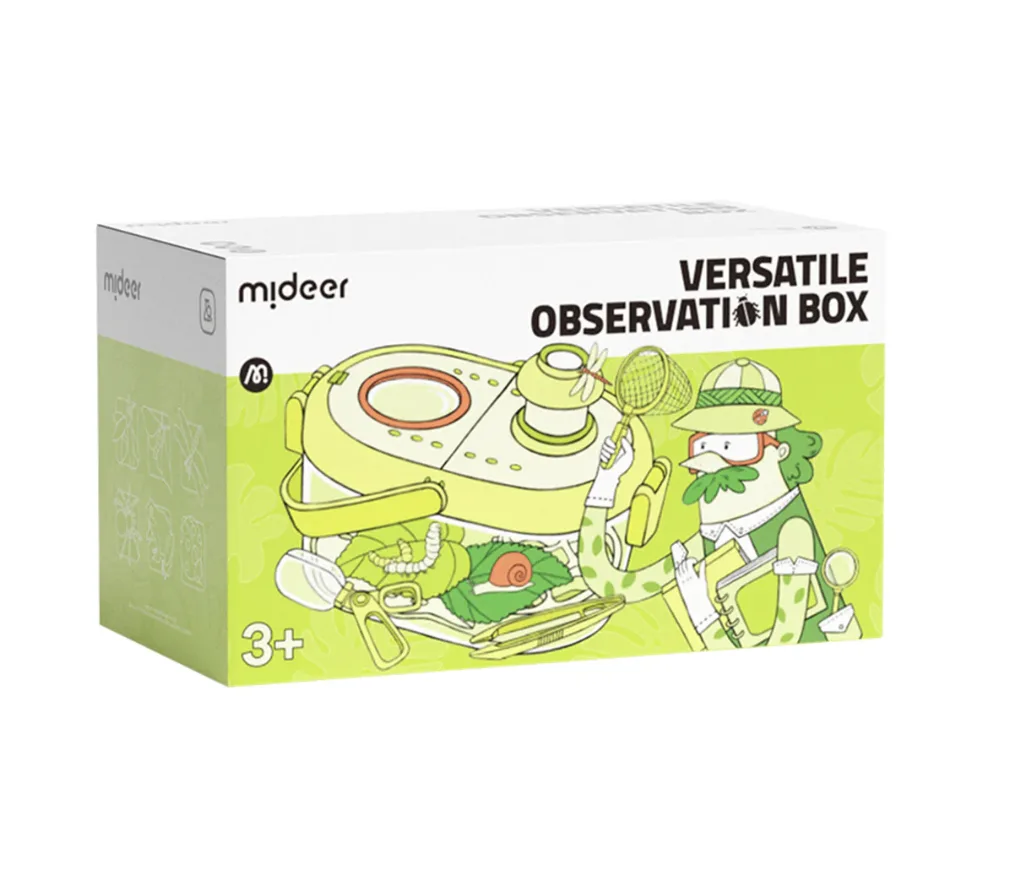
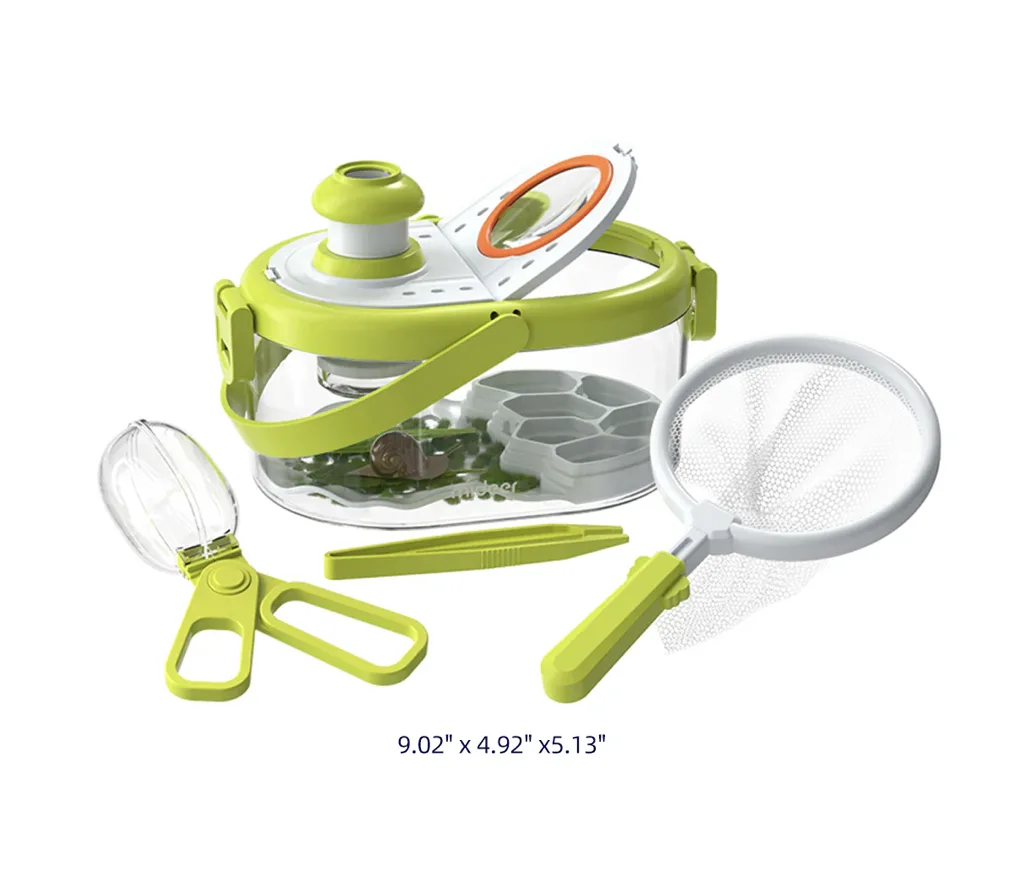
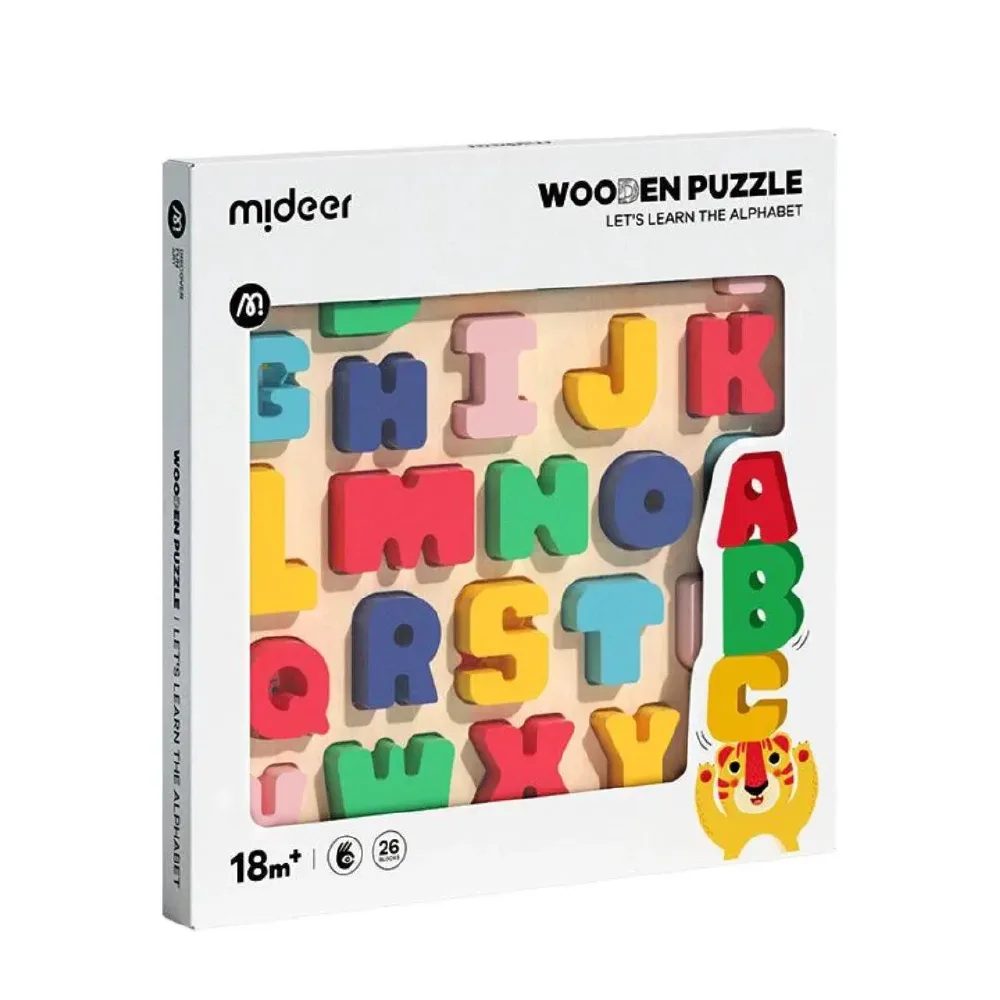
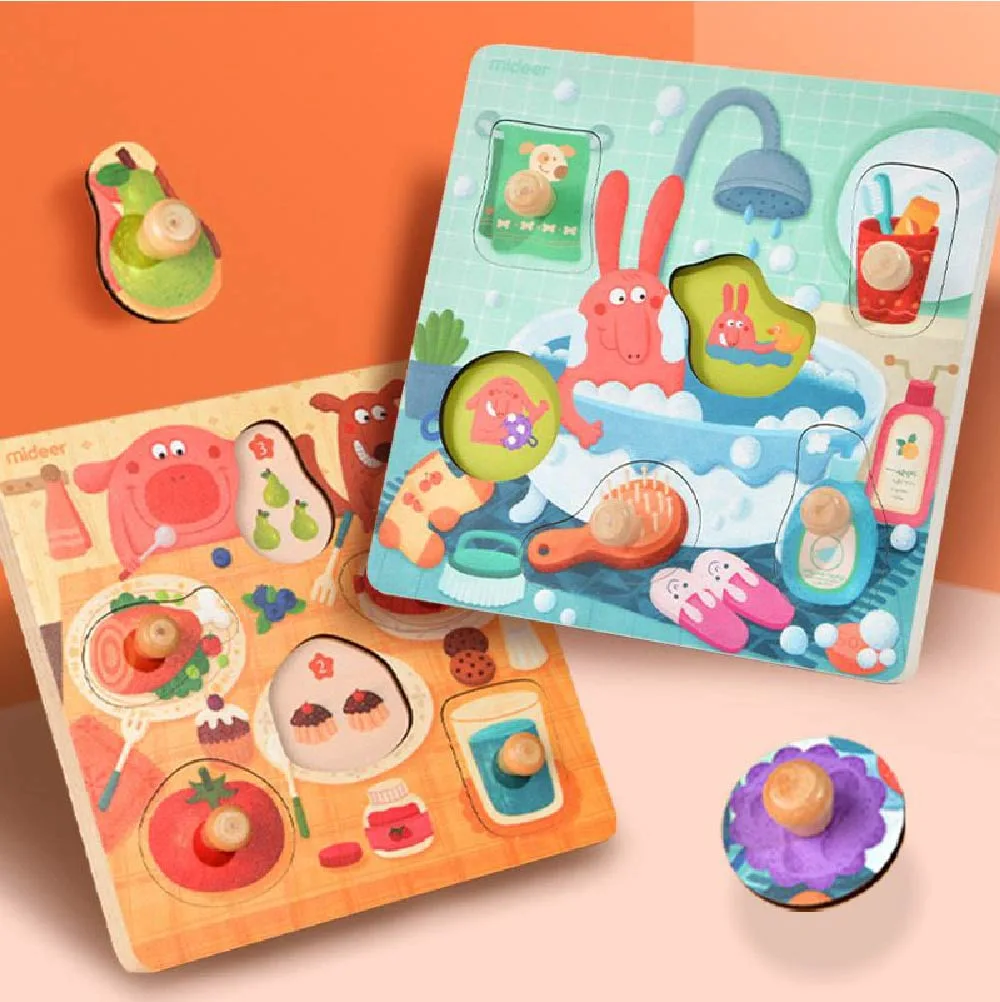
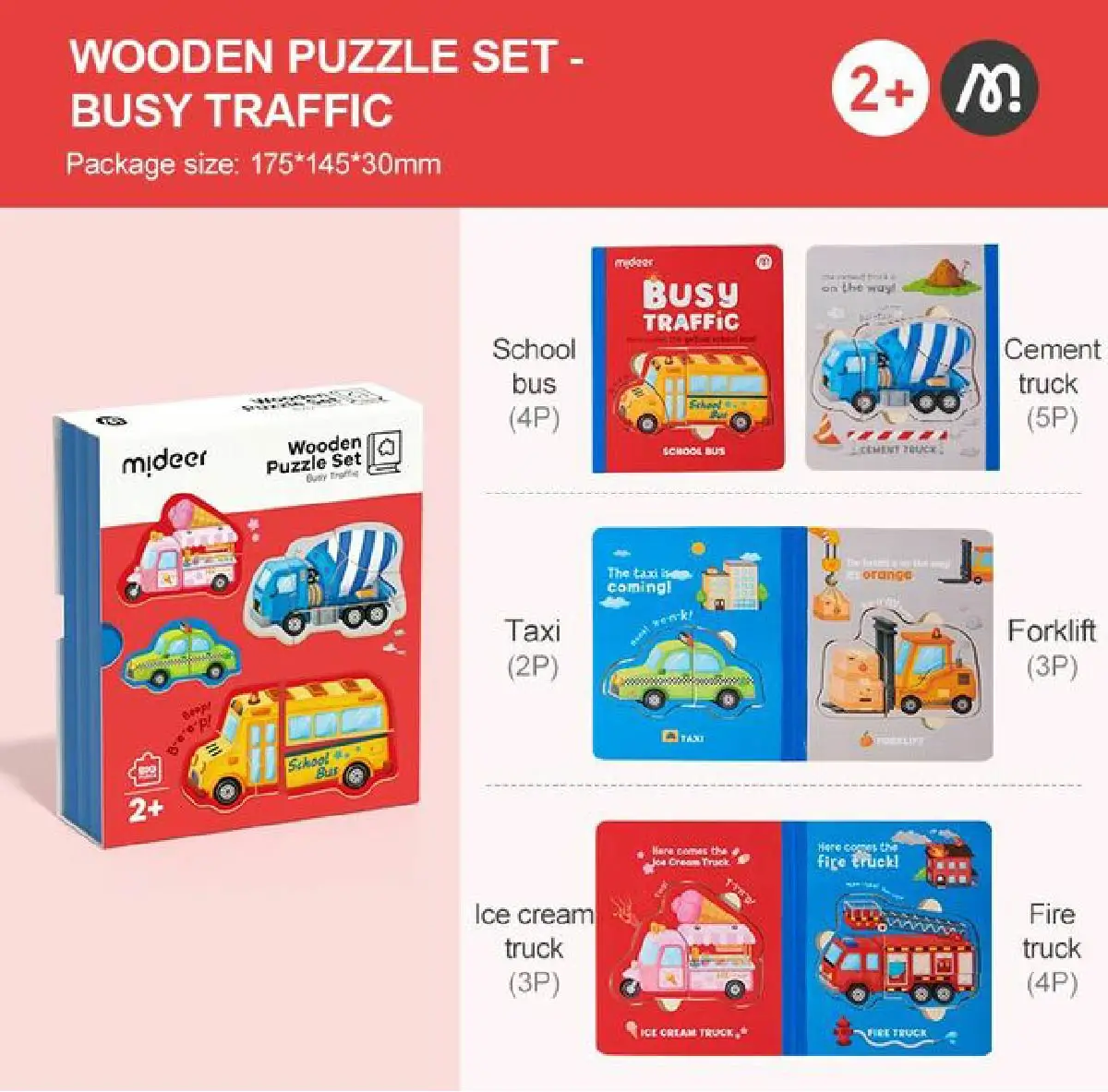
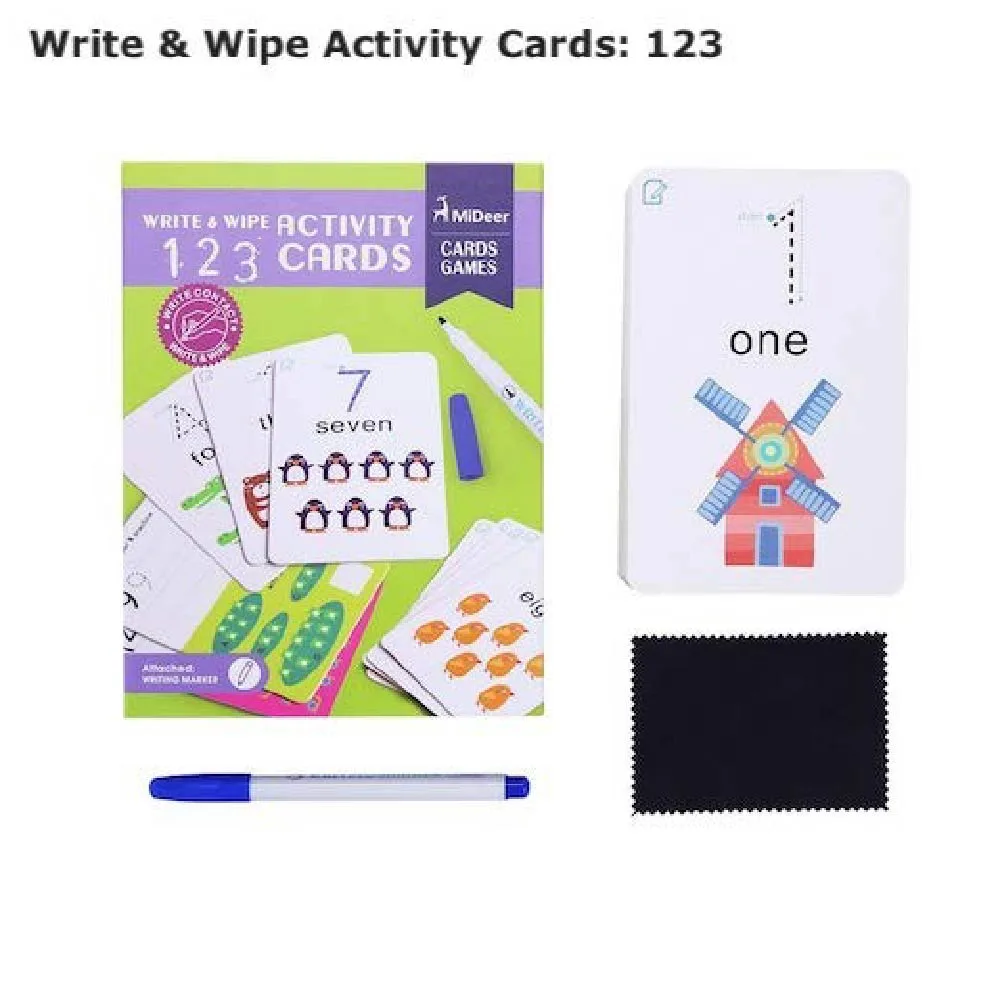
Toys that teach something specific: counting and sorting, letters and numbers, shape recognition, behaviour and routine, first books and interactive playbooks. The learning sits inside the mechanic rather than being bolted on, so a child playing a counting game is doing addition without being told that is what is happening.
Brands in this category: Mideer, B-Toys, Fisher Price, Classic World and Onshine.
62 products, $2 to $90, 45 in stock
Out of stock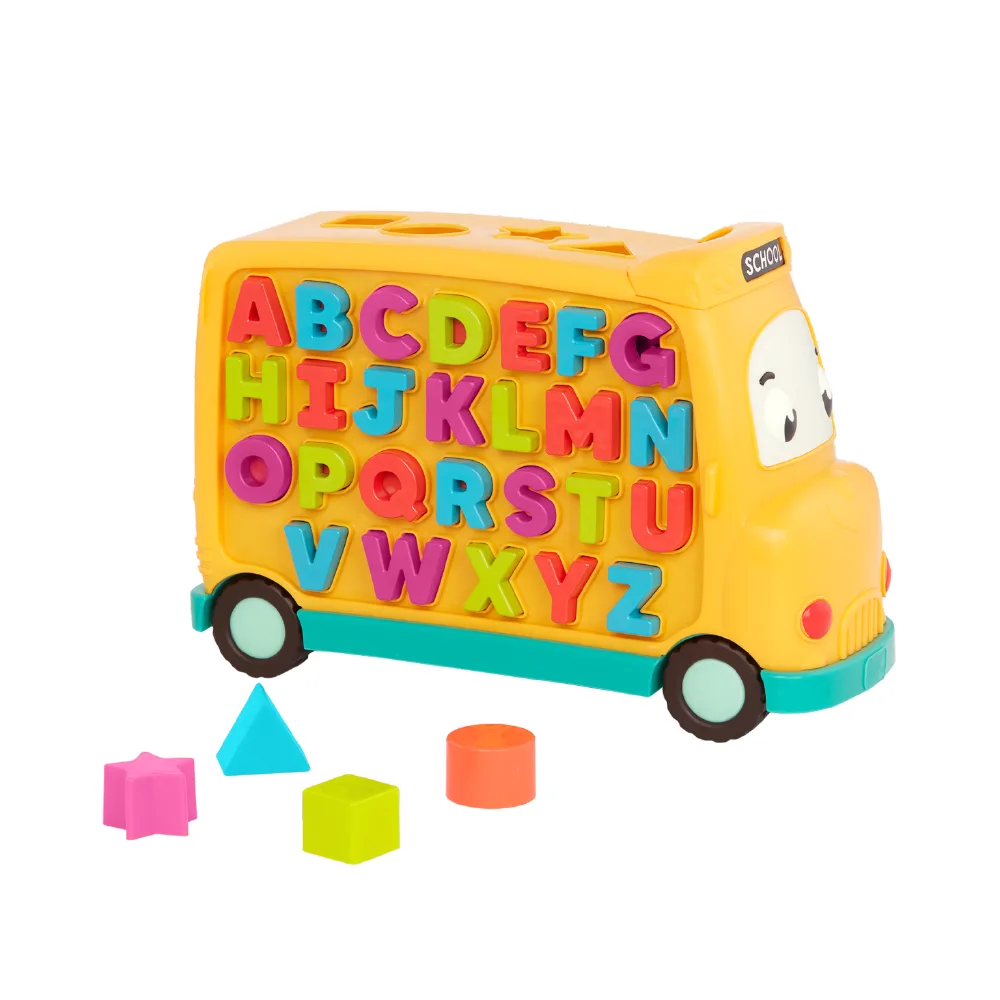
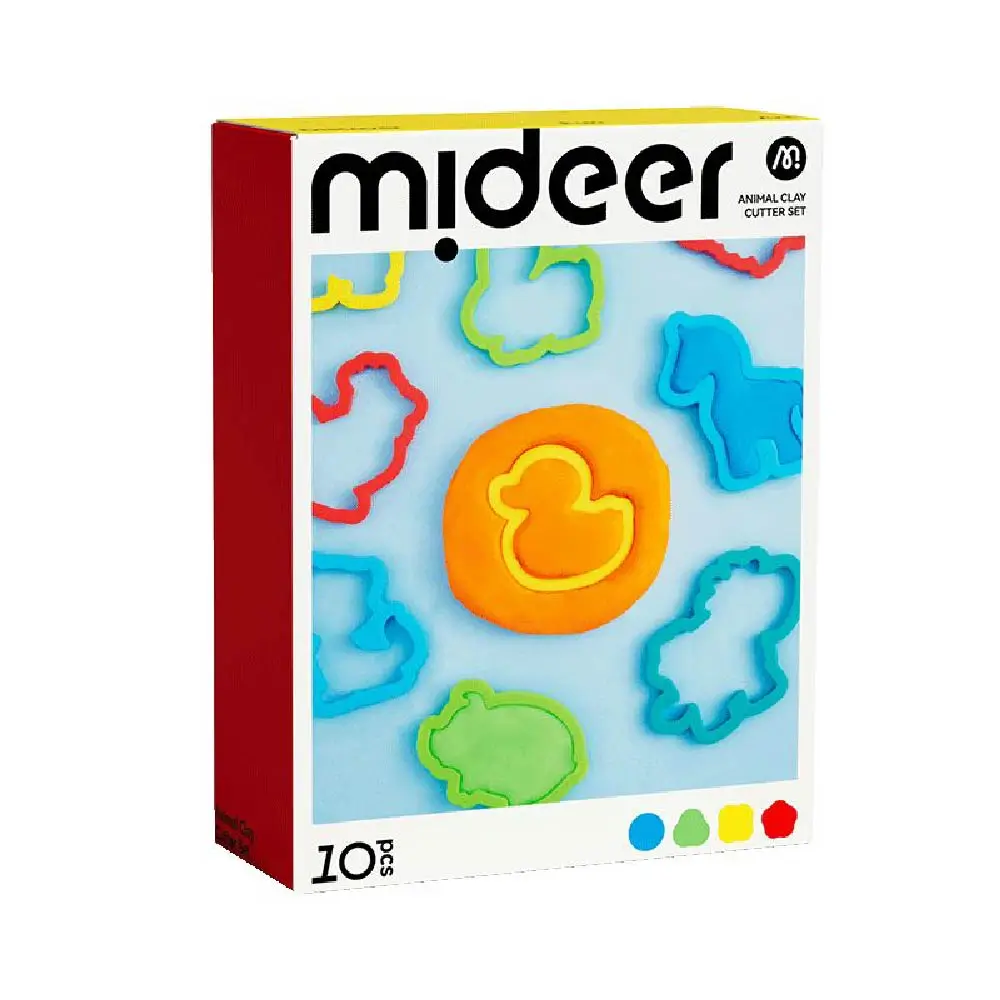
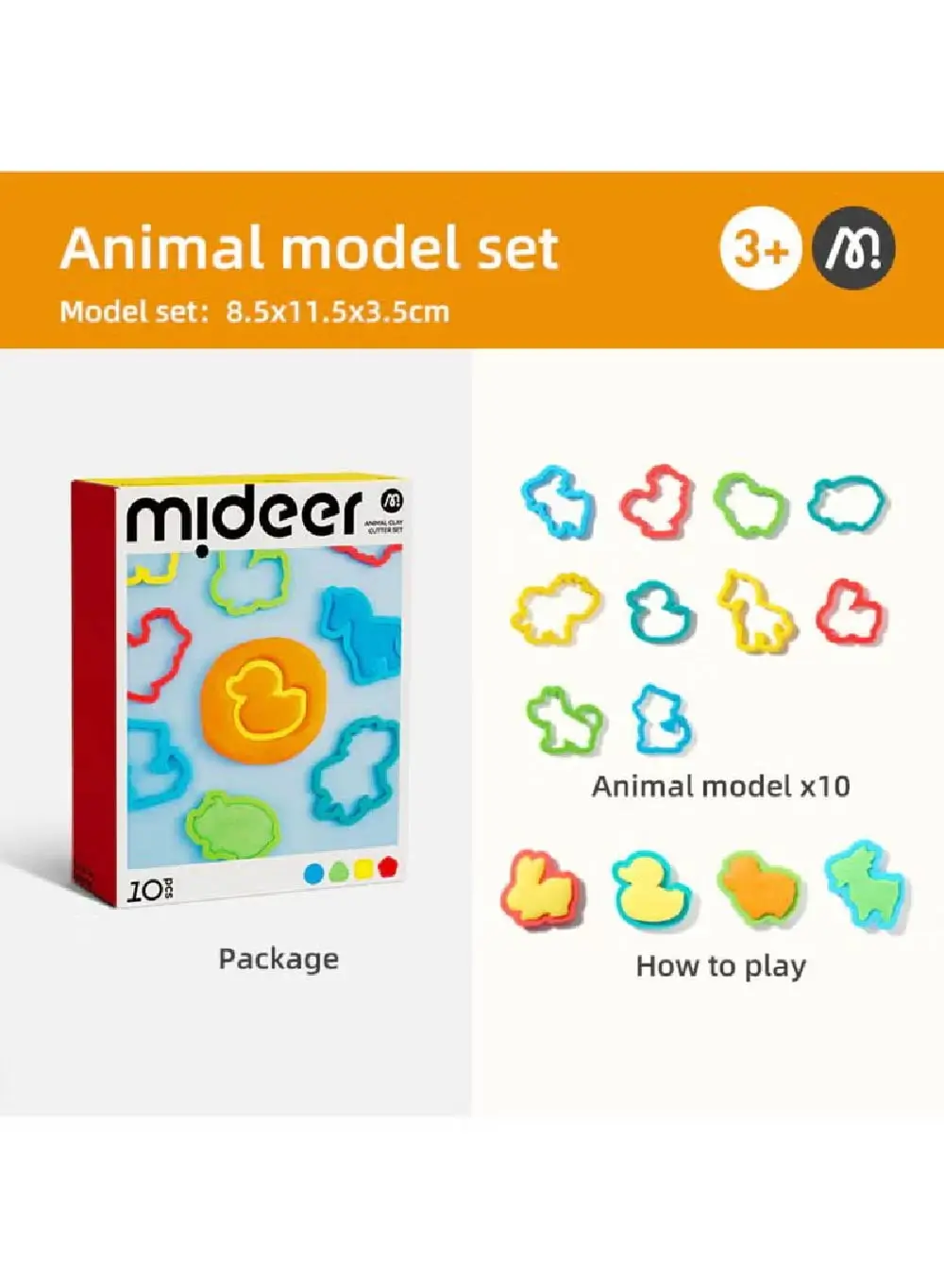

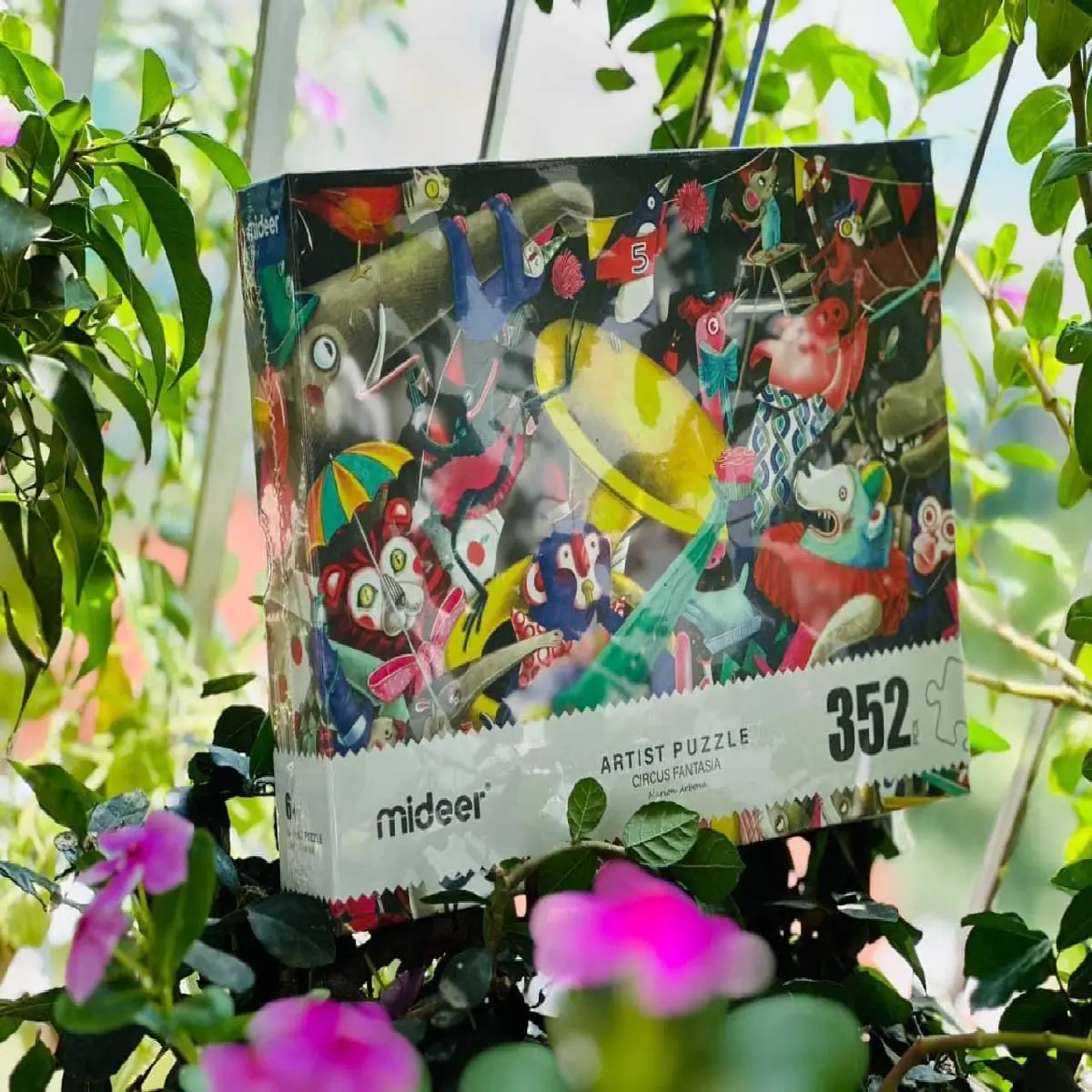
Out of stock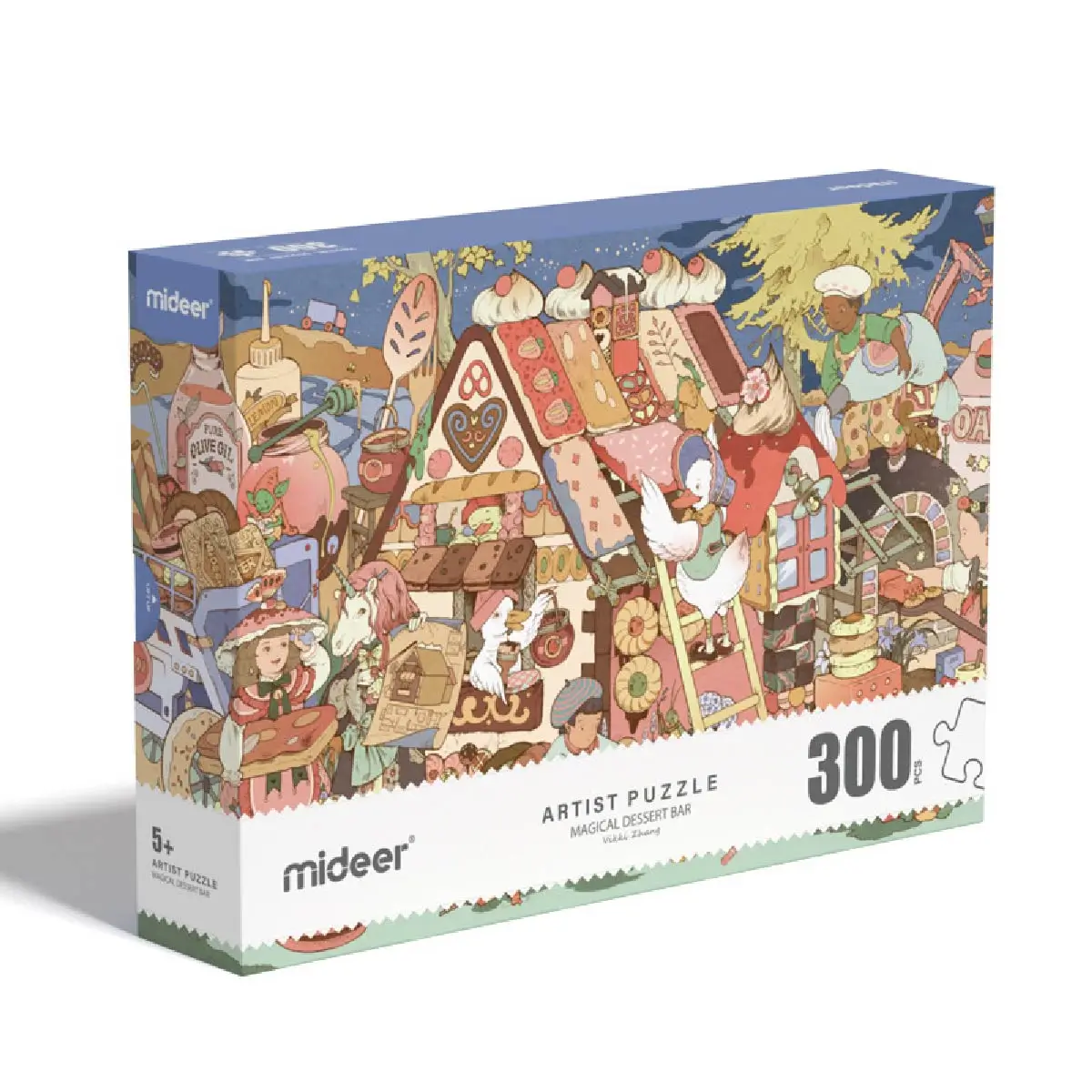
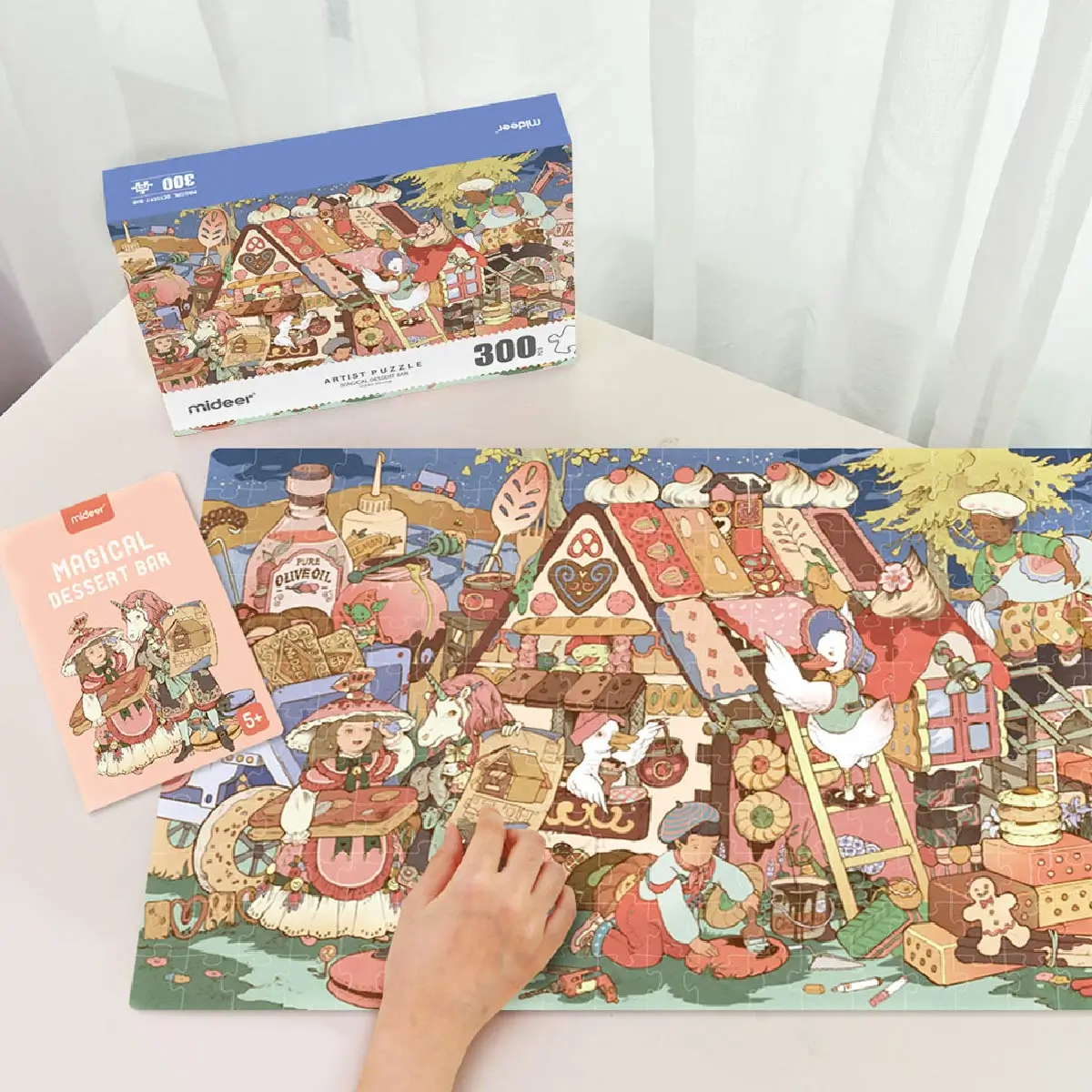
Out of stock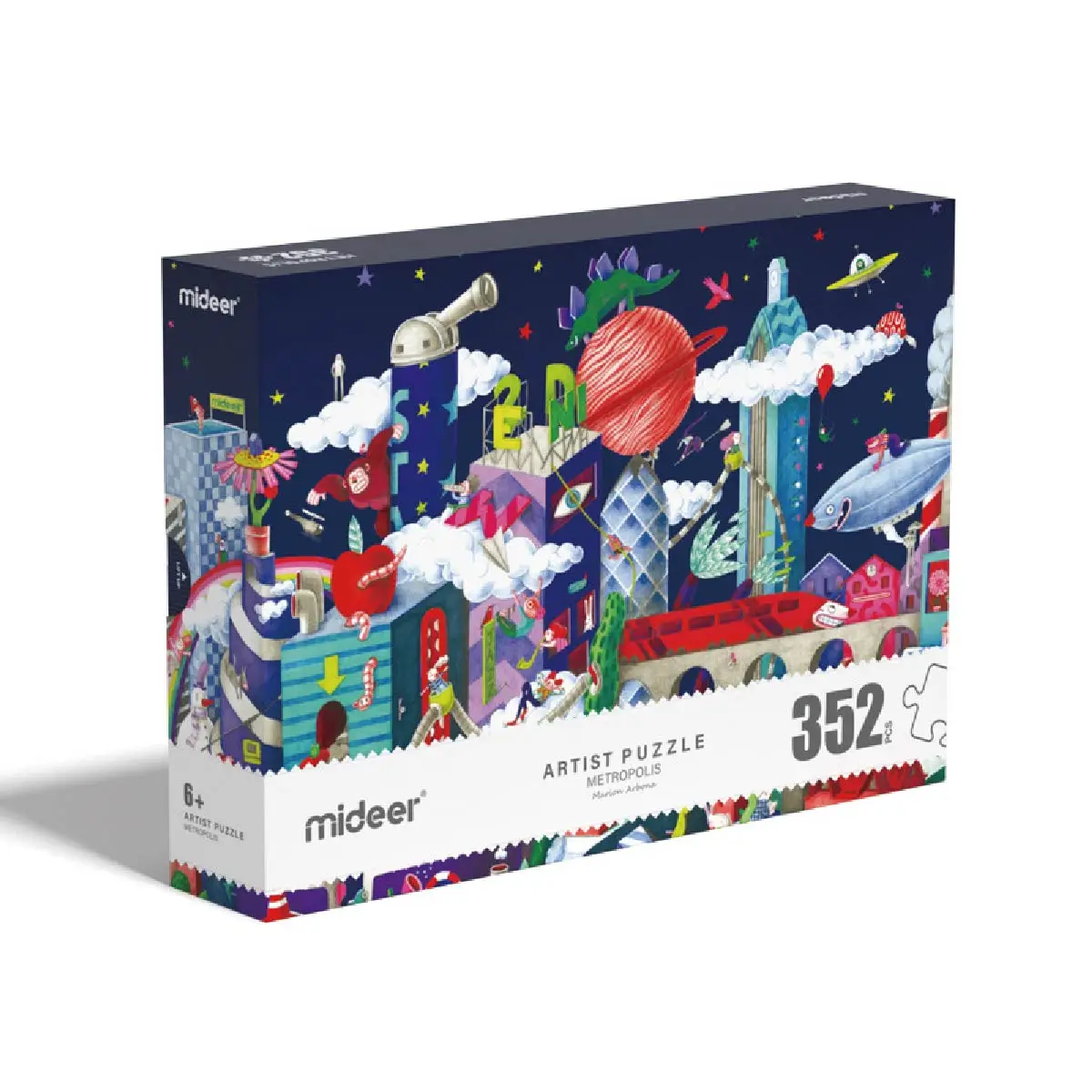

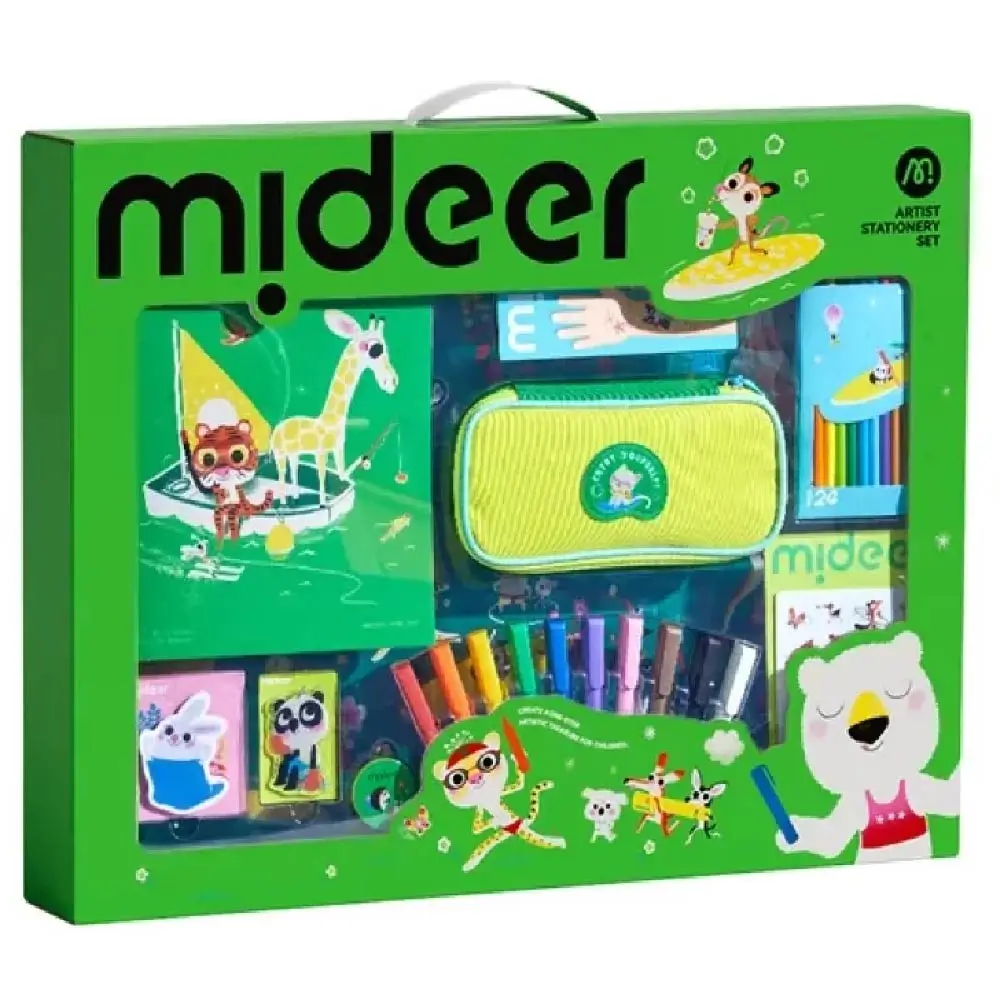
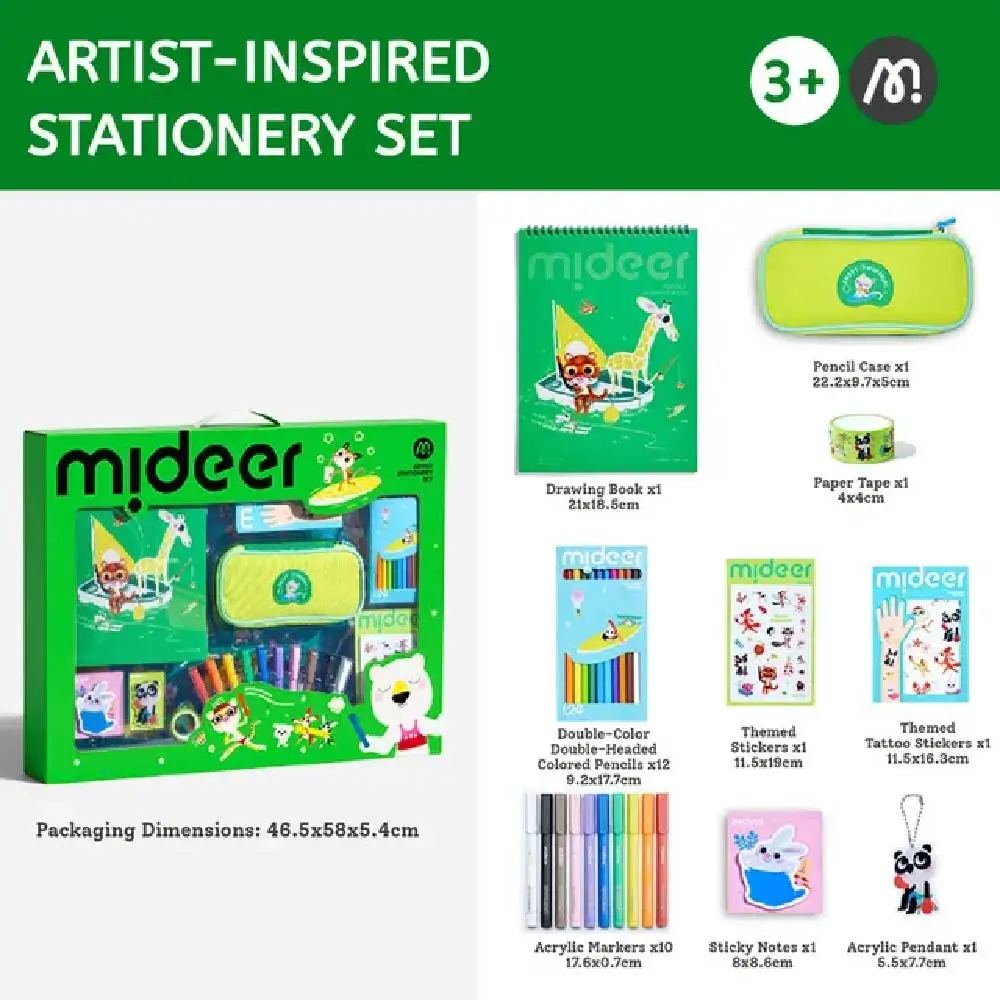

Out of stock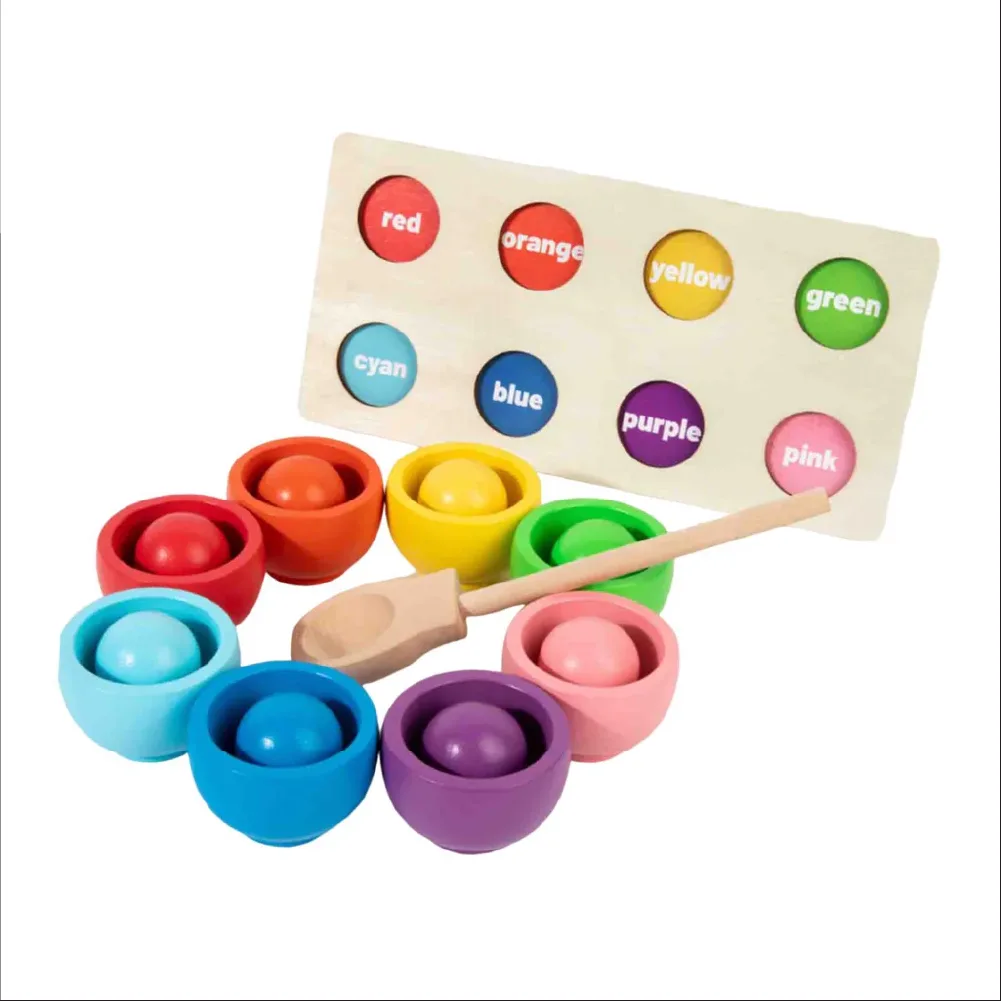

Out of stock

Out of stock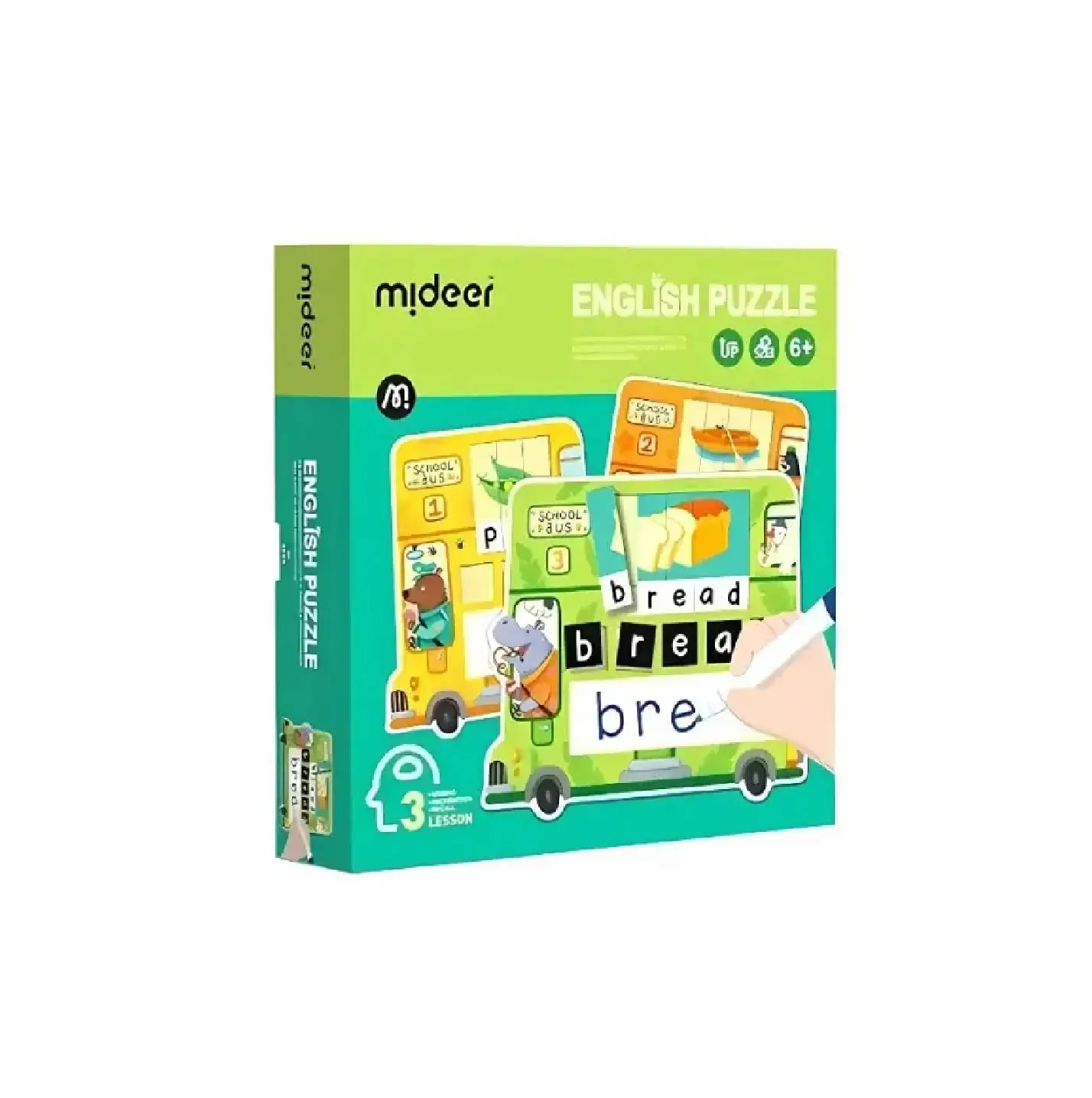







Out of stock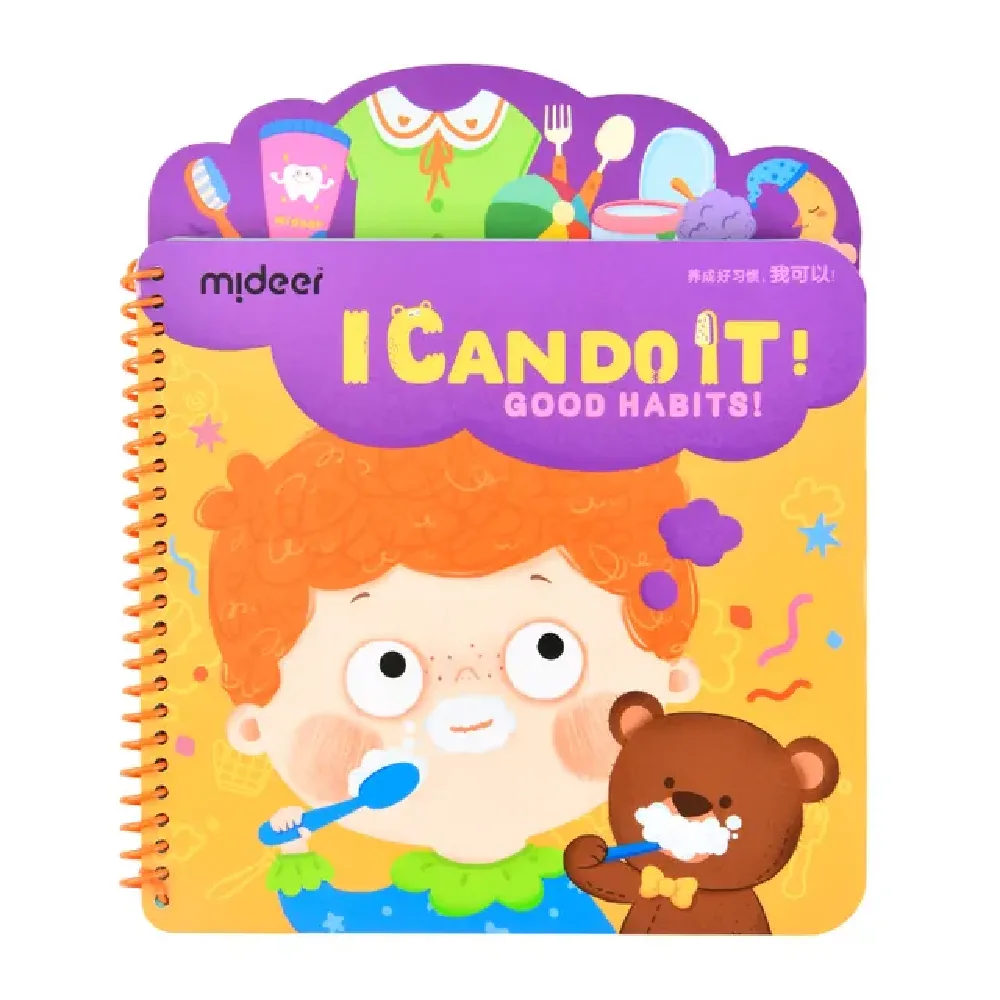
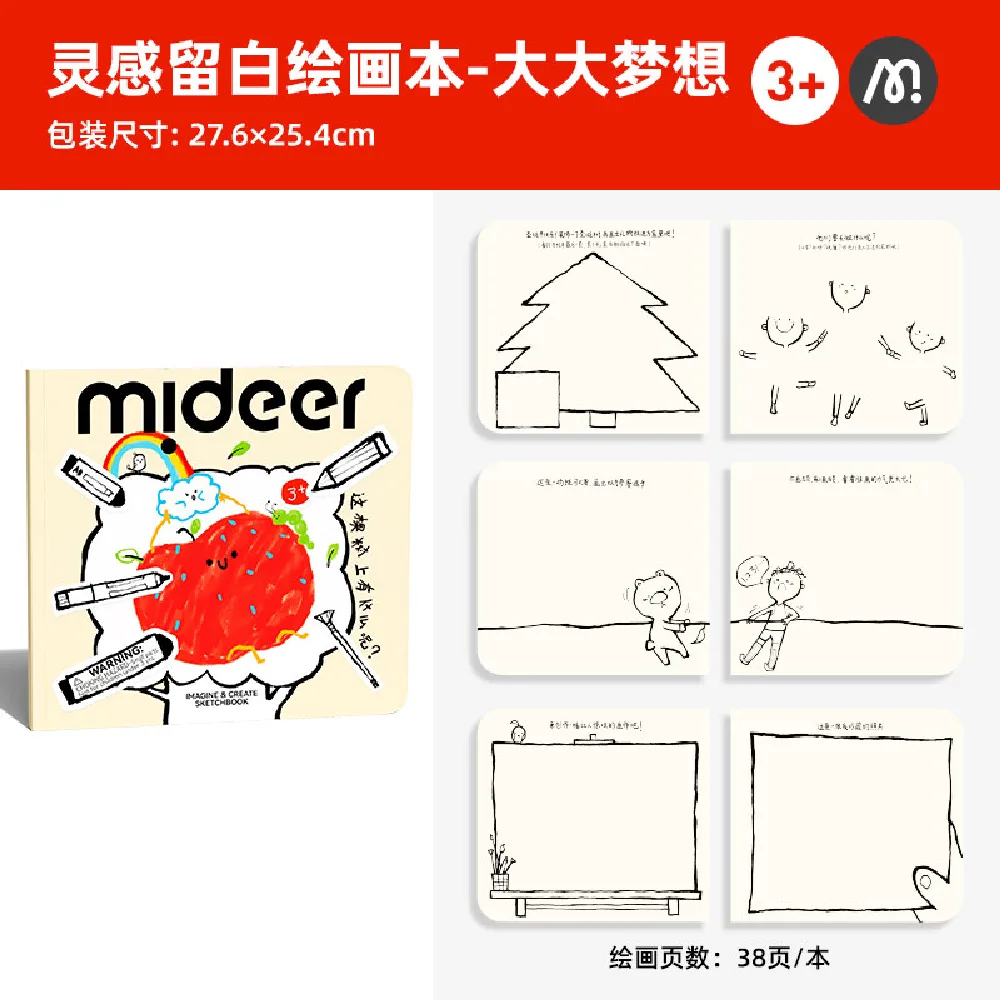


Out of stock
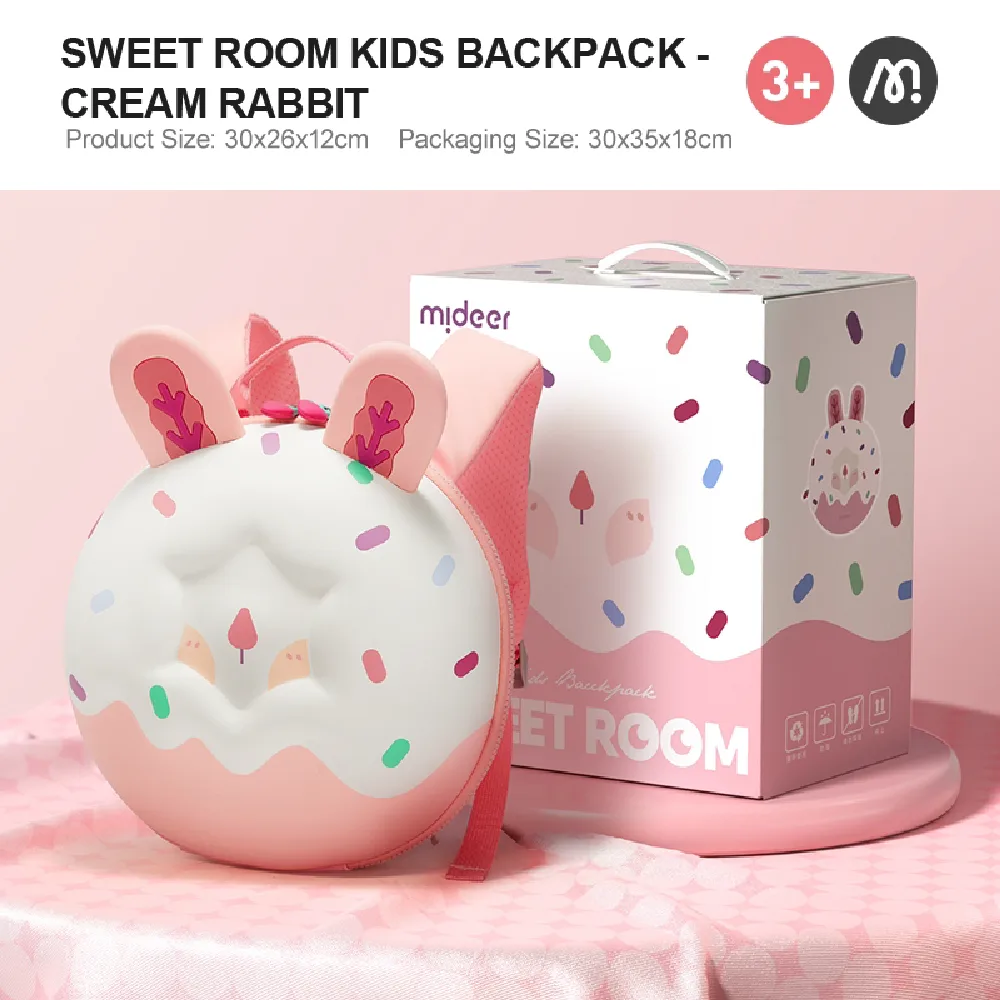
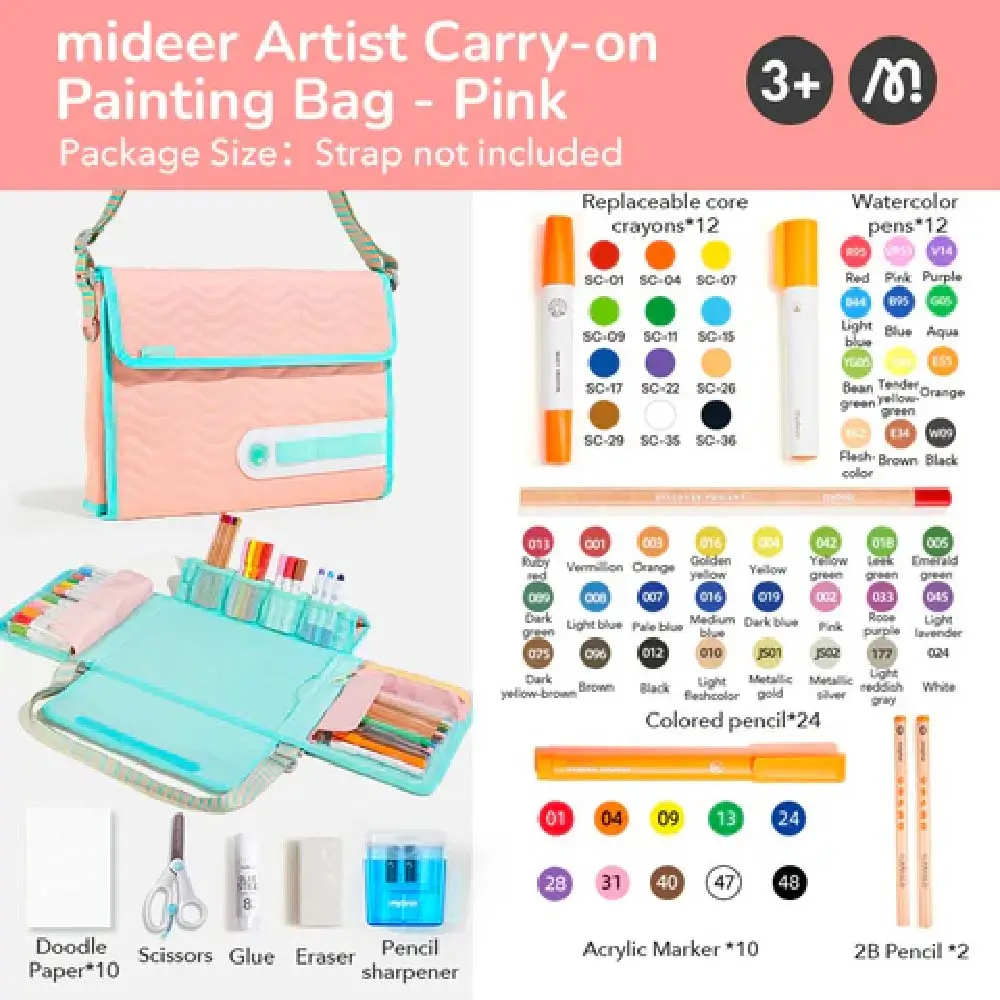


Out of stock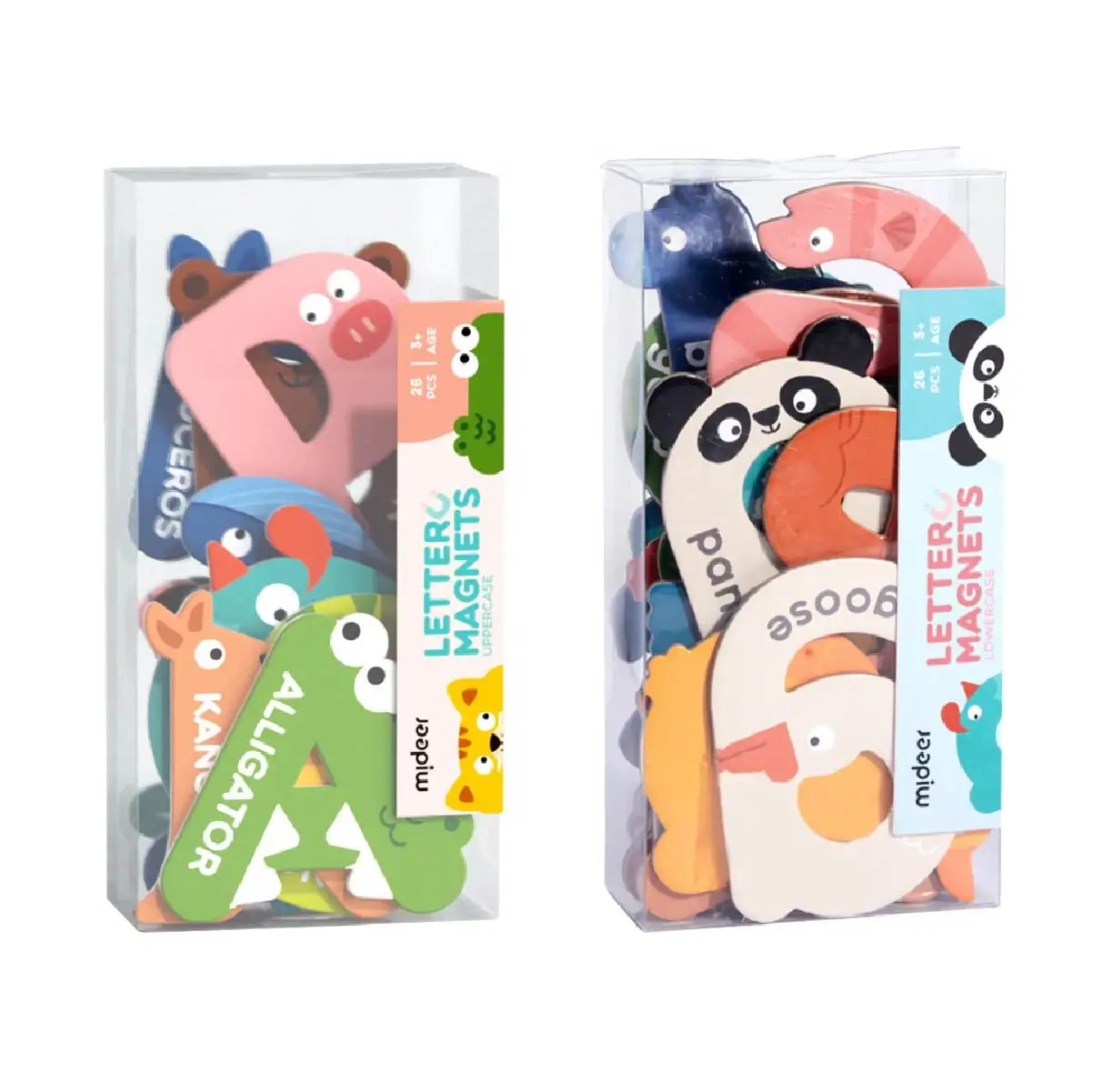

Out of stock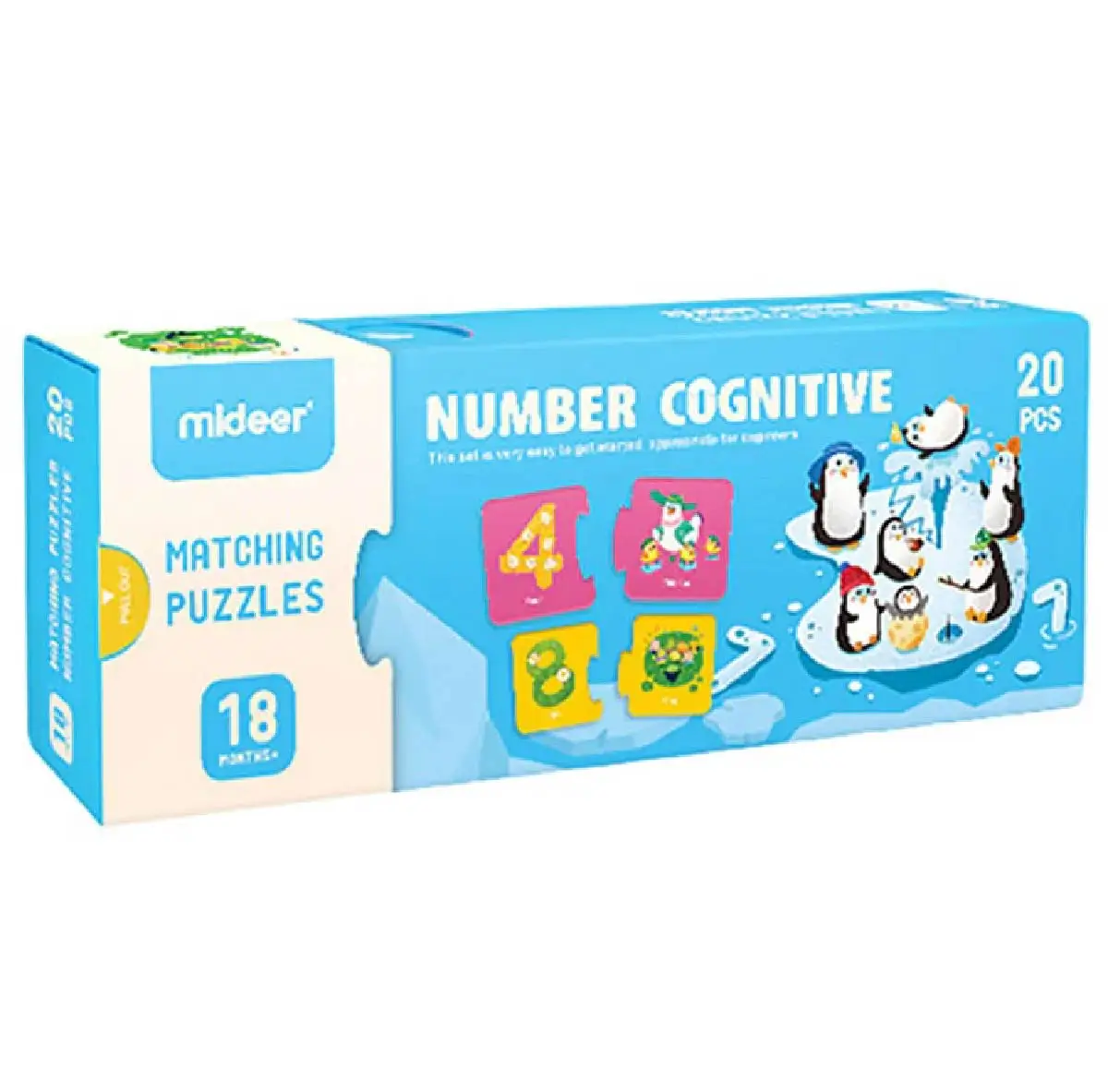


Out of stock

Out of stock


Out of stock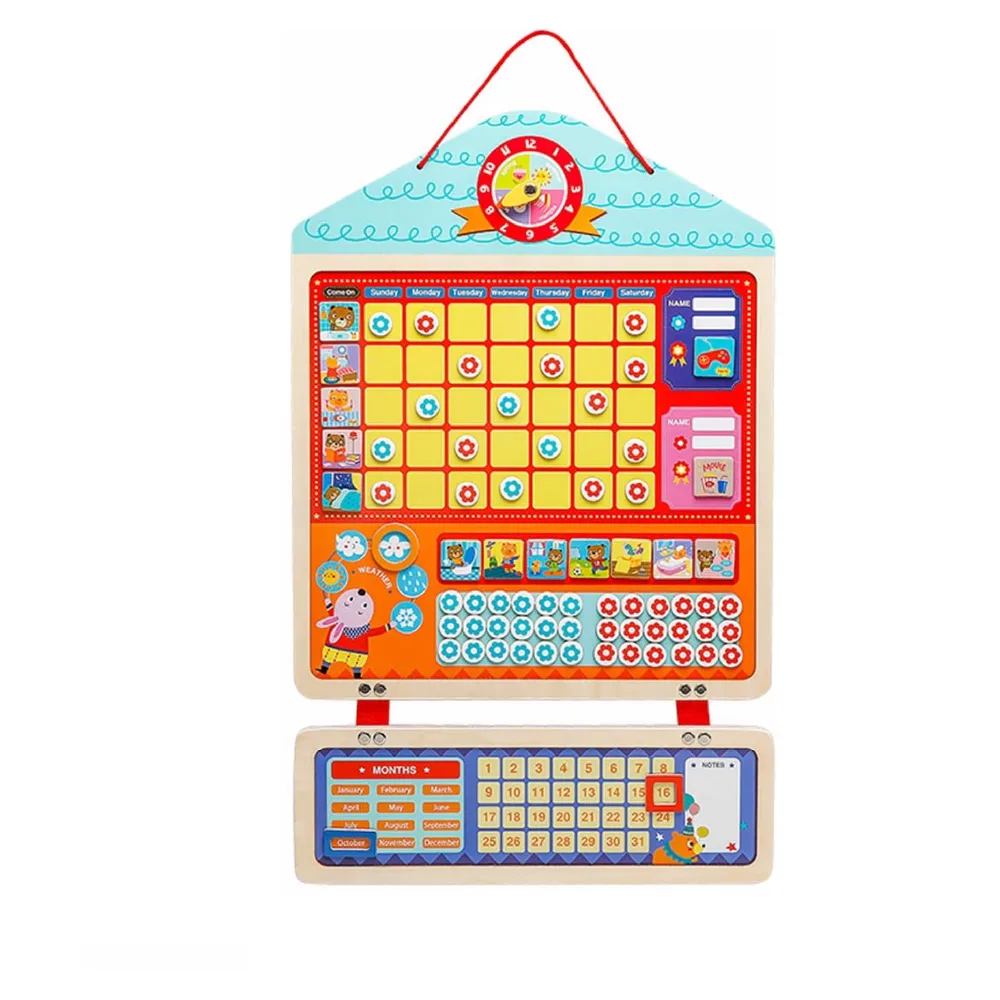

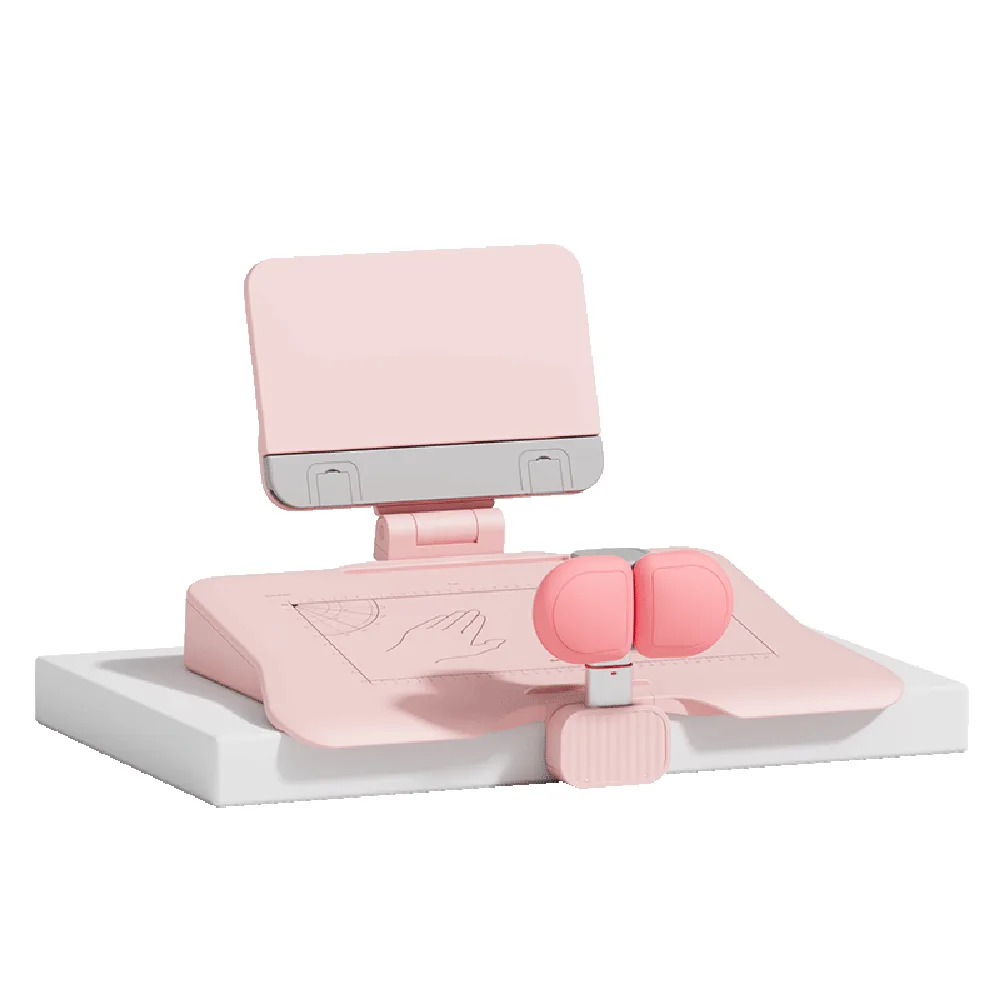


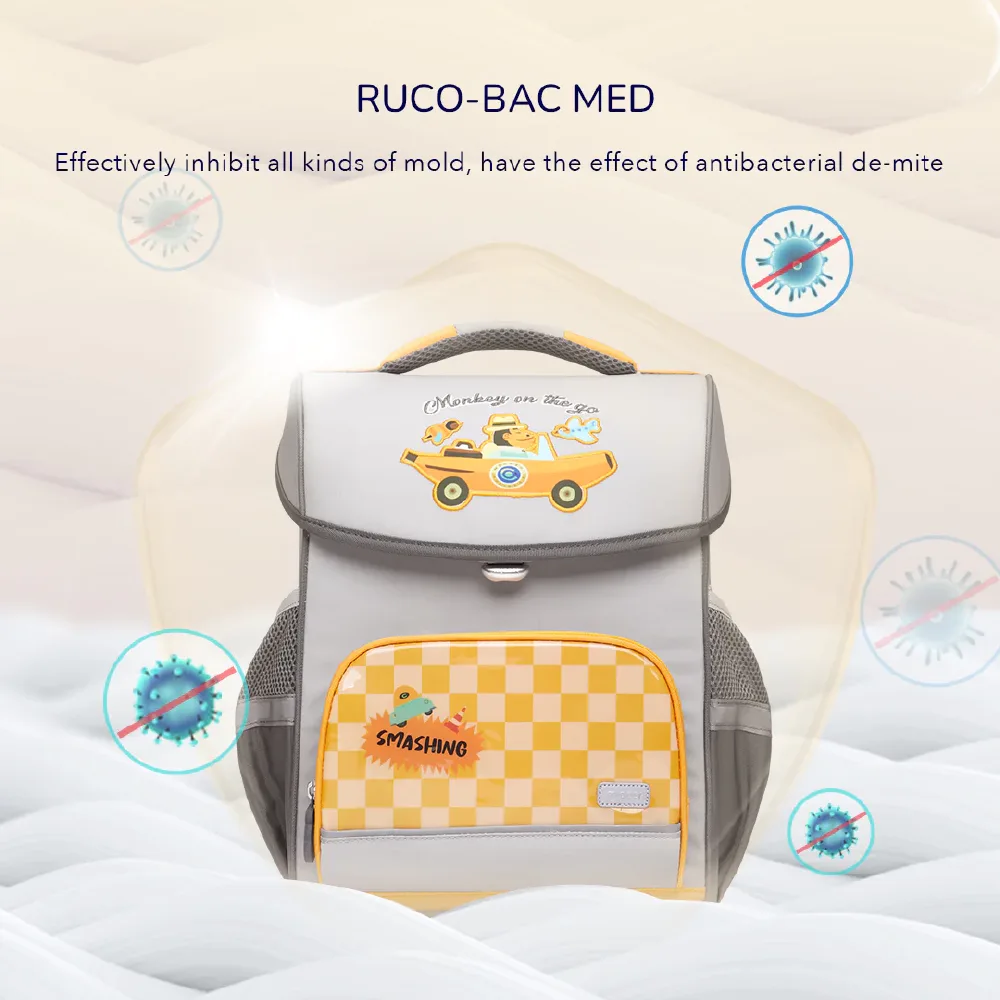
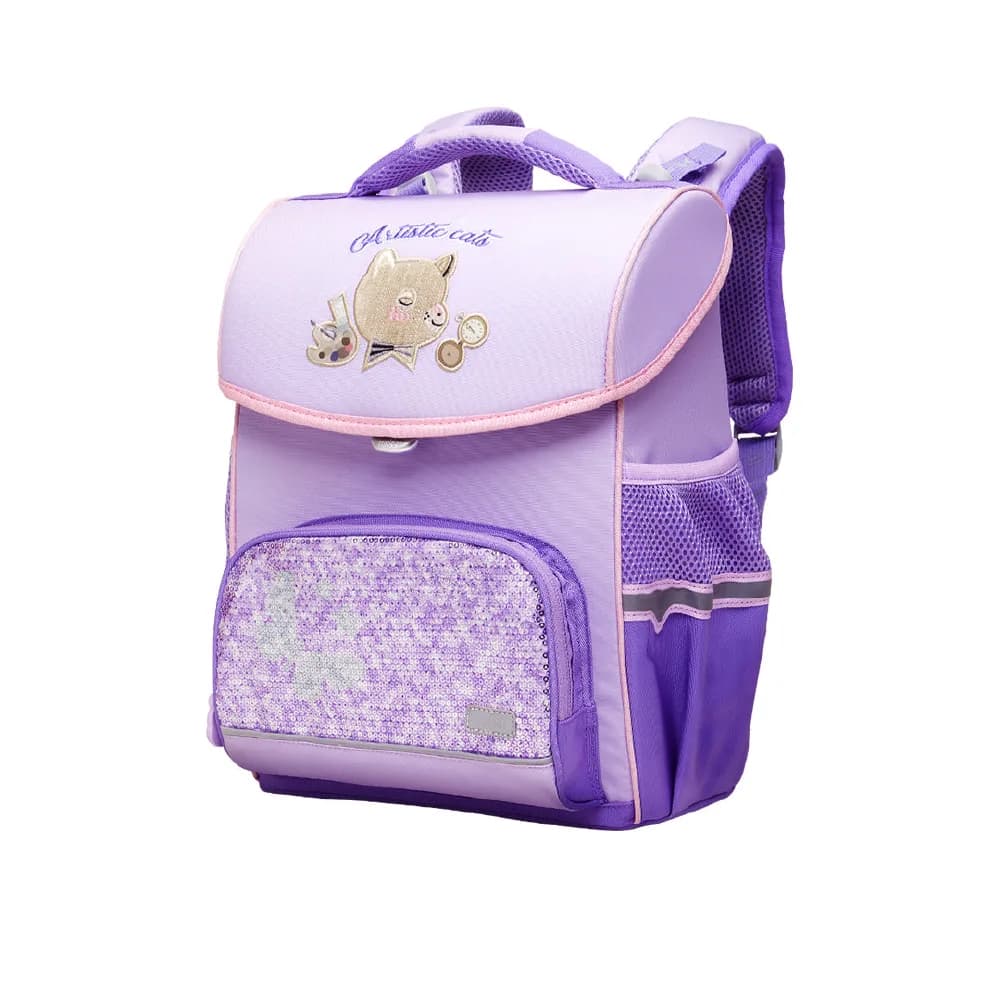

Out of stock

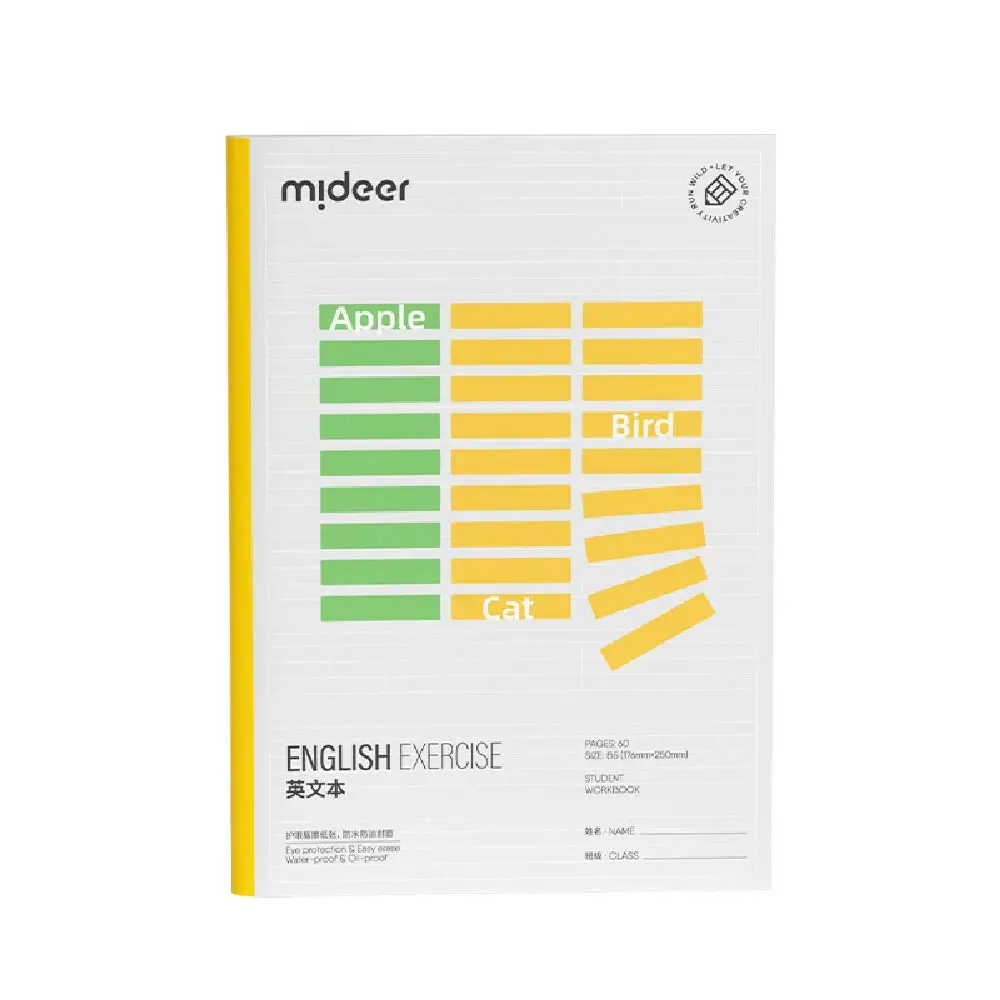






Out of stock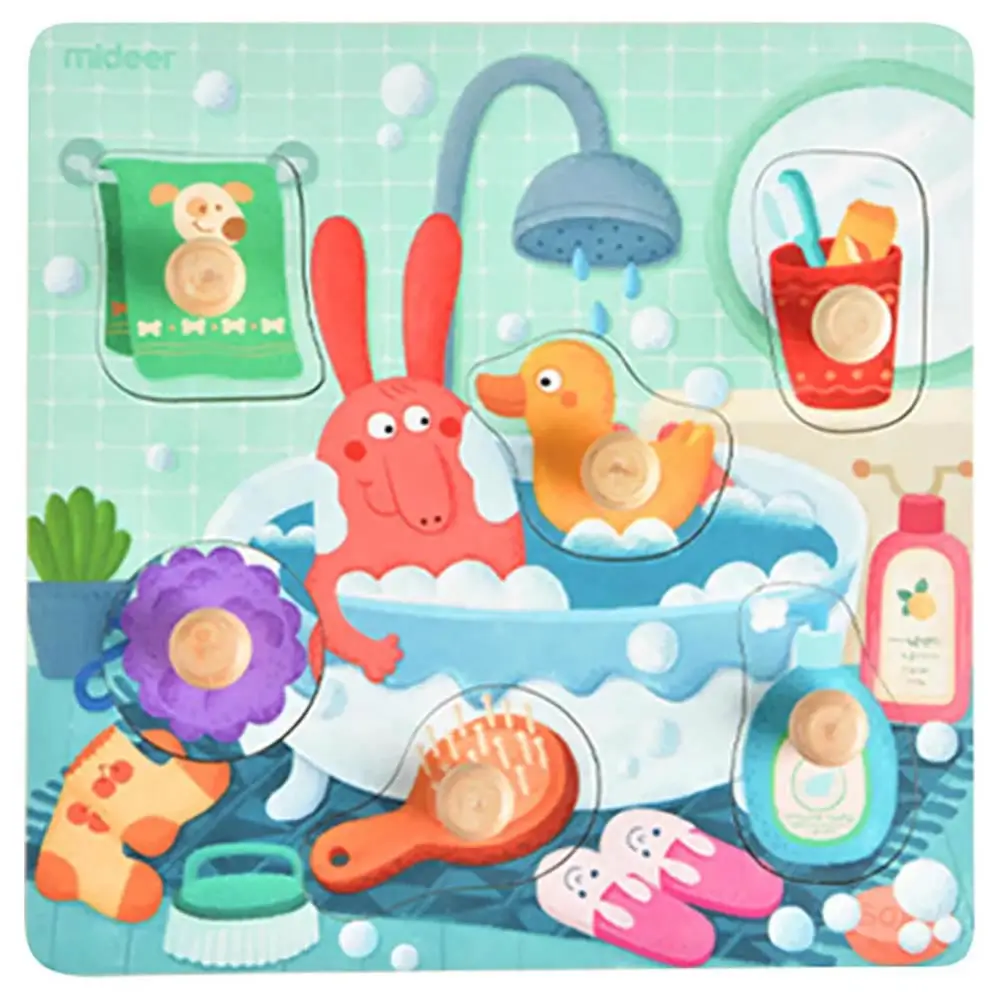

Out of stock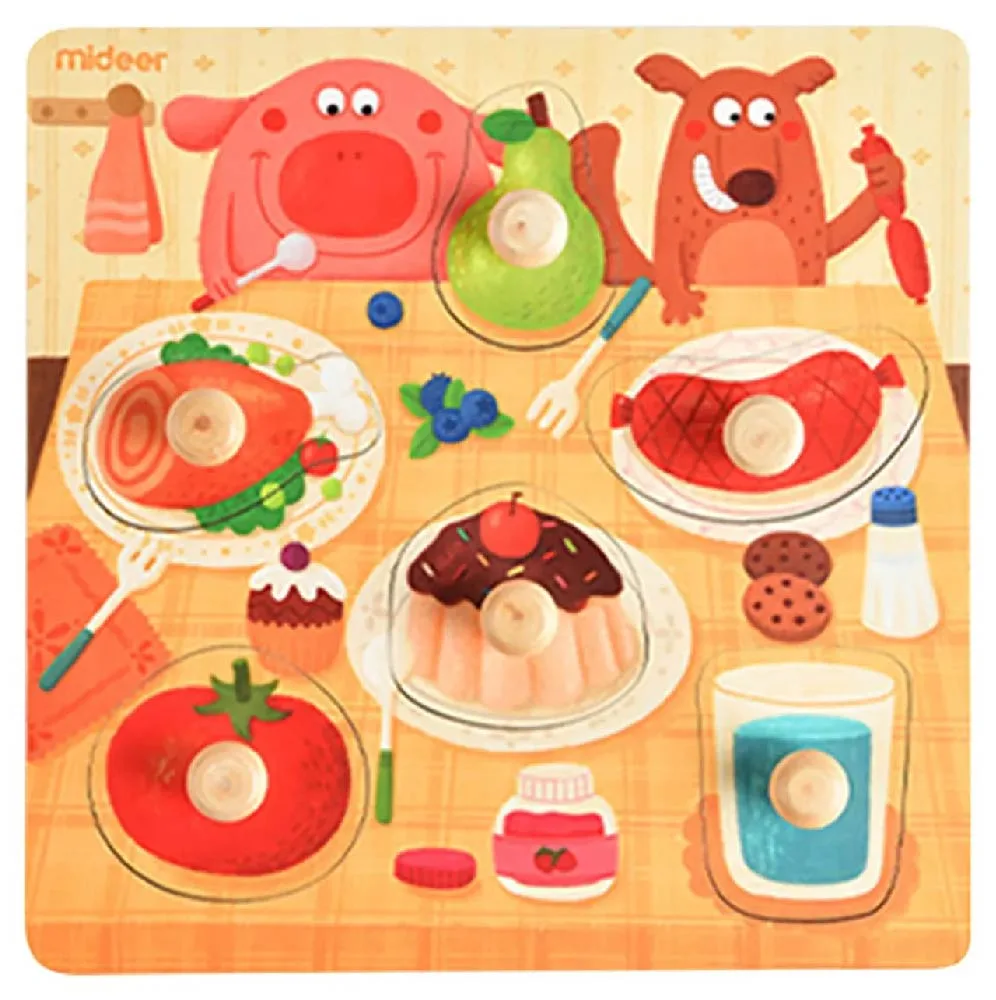

Out of stock
How to choose
Match the toy to the thing that is actually being worked on right now. A sorting or stacking set suits a toddler learning to categorise. A number or letter set suits the year before school. A responsibility chart or a behaviour book is a household tool as much as a toy, and works best when a parent uses it every day for a few weeks.
Everything in this section can be played with without an adult sitting alongside, which matters more than any label on the box. A learning toy that needs supervision to work is a lesson, not a toy.
Questions and answers
Which educational toys actually teach something?
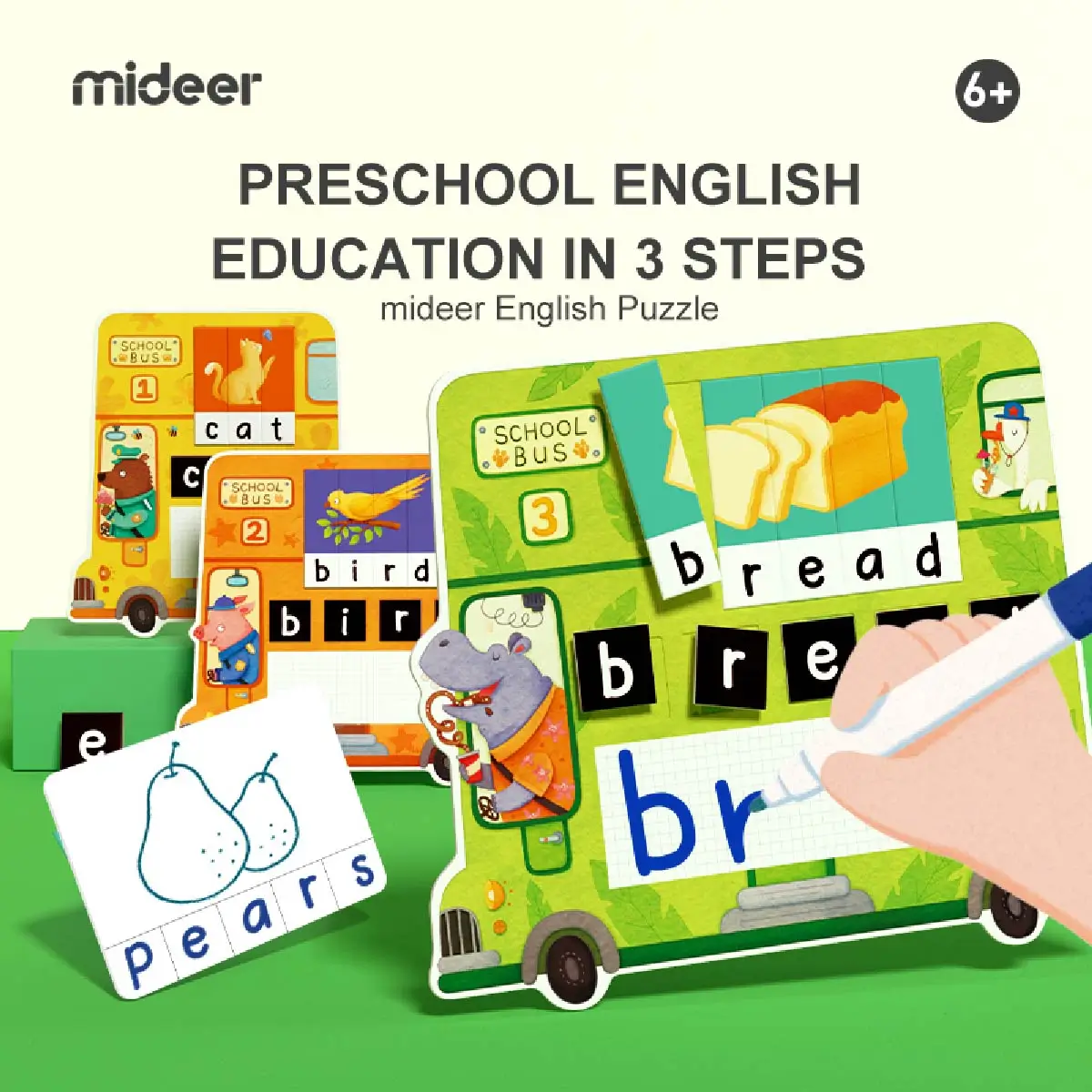
The ones where the learning is part of the game. A counting set where a child has to add to win, a shape sorter that only works when the shape is right, a letter puzzle that spells a word. If a toy only teaches when an adult sits beside it, it is a lesson rather than a toy. This section holds 62 toys built around counting, letters, shapes and routines.
What educational toy suits a child before school starts?
In the year before school, number and letter sets help most, because they make the first weeks of class feel familiar. Sorting and stacking sets suit a toddler learning to group things. The age on each product page comes from the maker or from the shop’s own listing. Choose the toy that matches what the child is working on right now, not the one with the longest list of skills on the box.
Are routine and responsibility charts worth buying?
They work when a parent uses them every day for a few weeks. A responsibility chart or a behaviour book is a household tool as much as a toy: the child moves a marker, the family talks about the day, and the routine sticks. Bought and left on the wall, it does little. Put it where the child sees it every morning.